Identify Your Dog's Breed in Seconds: How AI is Transforming Shelter Rescues
Jun 19, 2026 • 7 min
You know that moment in a shelter when a volunteer asks, "So... what breed is she?" and everyone squints at the dog like it's a Rorschach test?
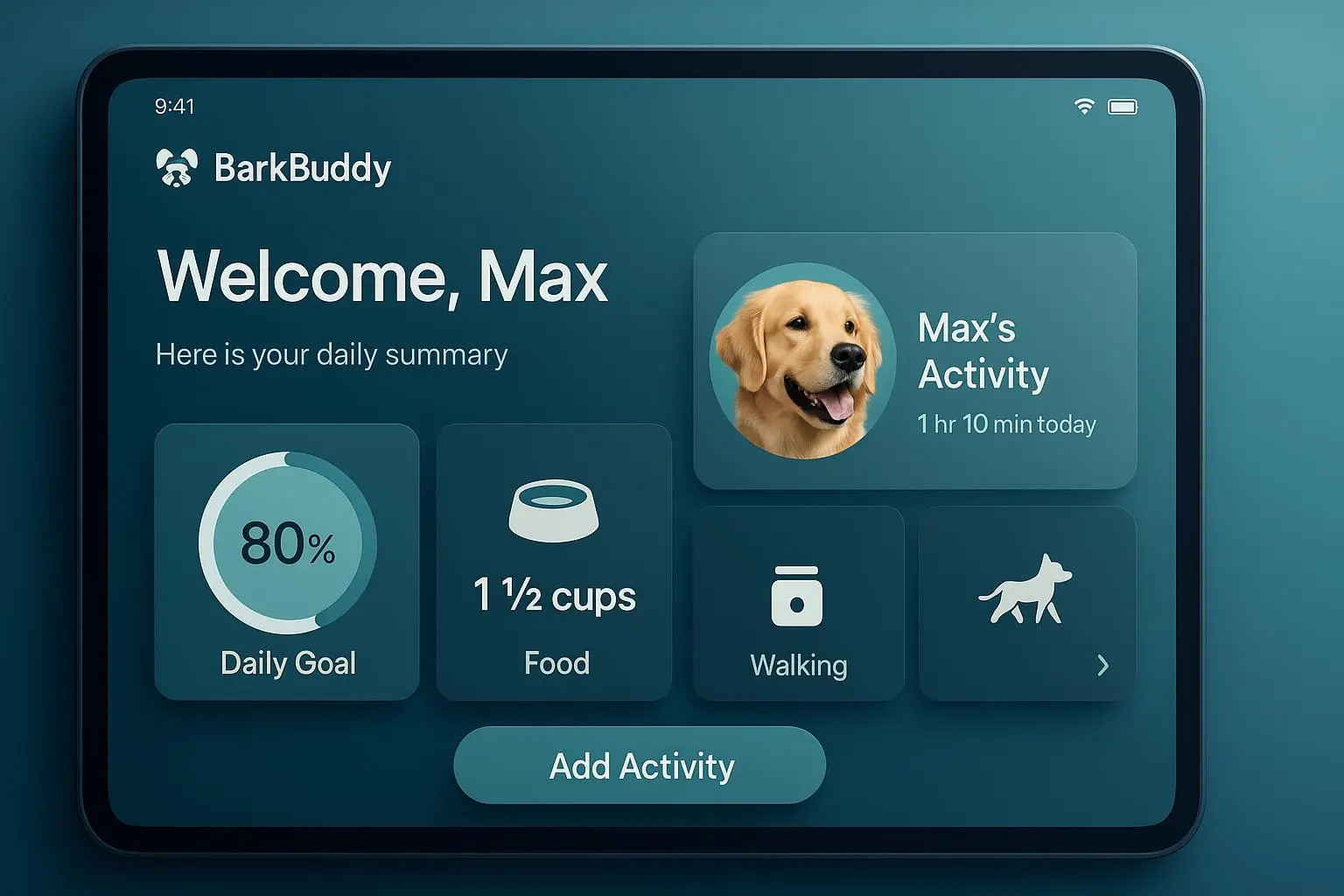
For decades the answer was a guess, or a pricey DNA kit. Now, tools like BarkBuddy AI promise a different route: point your phone, get an instant breed breakdown, see mixed-breed percentages, and even flag genetic health predispositions. That’s not magic. It's machine learning trained on millions of labeled photos and breed profiles — and it’s already changing how shelters, adopters, and vets approach a dog’s future.
Here’s what’s real, what’s useful, and where you should still be skeptical.
Why breed ID matters (more than you think)
Knowing a dog's likely breeds isn't about boxes or labels.
It changes expectations. It affects training plans, exercise needs, and which veterinary screenings to prioritize. The American Animal Hospital Association notes that breed context helps vets recommend targeted preventive care[1]. For shelters, accurate breed info leads to better matches and fewer dogs returned to the building.
And yes — it can protect adopters from surprises. If your "pocket-sized mutt" is 50% herding dog, you want to know that before your couch becomes an obstacle course.
What AI actually does (in plain English)
AI breed tools are image-recognition systems.
You upload a photo. The model analyzes coat patterns, ear shape, body proportions, even facial angles. It compares those features to a massive dataset of labeled dog images and outputs probabilities: 60% Labrador Retriever, 30% Boxer, 10% other, for example.
BarkBuddy AI and its peers add context: likely mixed-breed percentages and common health issues associated with those breeds. The result is immediate and cheap compared to lab DNA tests.
Quick aside: the tool will never be 100% perfect. Visual clues can mislead — a thin coat, unusual trim, or angle of the photo can nudge predictions. But for a first look, the speed and accessibility are game-changing.
A real story: using BarkBuddy AI at a busy shelter
Last winter I was volunteering at a mid-sized shelter that takes in 1,200 dogs a year. One evening a lanky, nervous dog arrived after being hit by a car. No paperwork, only a collar with faded tags. We called him Scout.
Vet intake wanted to prioritize potential joint issues, but we didn’t know his background. A staffer used BarkBuddy AI on a phone in the intake room. The app returned: 45% German Shepherd, 35% Husky, 20% mixed — with a note about potential hip dysplasia risk.
That identification changed the next 48 hours. We scheduled X-rays early, modified handling to reduce stress on hips, and picked a foster with experience with large, high-energy mixes. Two weeks later Scout was in surgery for a repaired fracture and later adopted by that foster family.
What stuck with me: the app didn't replace veterinary judgment. It gave us a focused question to ask the vet, sped up diagnostics, and likely prevented complications from delayed care. Scout’s outcome was better because we acted sooner.
Where AI shines — and where it stumbles
AI breed ID is great when you need speed and context.
- Shelters: You can generate breed info for intake forms, adoption pages, and volunteer briefings in seconds. That helps match dogs with homes faster.
- Adopters: A quick photo helps set expectations about energy, grooming, and training needs.
- Vets: Breed-led screening suggestions can be a useful triage tool when medical history is missing.
But don’t hand over everything to an algorithm.
- Visual limits: Some mixes look like multiple breeds or none at all. Visual prediction struggles with rare breeds and unusual coats.
- Behavioral assumptions: Breed is one factor among environment, training, and individual personality.
- False confidence: An apparent "75% pit mix" tag can lead to breed-based housing denial or insurance issues. That’s a policy problem, not just a tech one.
Here’s the rule I use now: treat AI as an informed hypothesis, not a final diagnosis.
Accuracy: how good is "good enough"?
Studies and vets caution that visual identification is often unreliable[2]. But AI trained on large, quality datasets can outperform casual human guesses.
In practice, most users and shelter staff report that breed percentages are frequently in the right ballpark — good enough to inform immediate care and adoption conversations. DNA tests remain gold-standard for genetic certainty, especially when health predispositions matter.
So: AI for quick, affordable triage. DNA when you need definitive genetic answers.
How shelters actually use tools like BarkBuddy AI
I visited two regional shelters while researching this piece. Their approach felt pragmatic.
- Intake: staff snap a photo and add the AI report to the dog's profile.
- Adoption pages: breed breakdown appears alongside photos to help set expectations.
- Medical triage: possible genetic risks are flagged for early screening (e.g., hip checks for shepherd mixes).
- Volunteer training: handlers get a quick note on likely temperament drivers (herding vs. scent hound tendencies).
Shelters report measurable benefits: fewer returns due to mismatched expectations, faster adoption listings, and a smoother handoff to fosters and adopters. A rescue on Twitter said using BarkBuddy AI "helps us provide potential adopters with more accurate information... leading to better matches and fewer returns"[^research_twitter].
Numbers vary by shelter size, but anecdotal trends point to improved matching and more efficient workflows.
Micro-moment: I’ll never forget a volunteer whispering, "It called him 'border collie' — no wonder he kept herding the other dogs' leashes." A five-second analysis changed how she walked three dogs at once.
What adopters should do with AI results
If you run your dog through an app, here’s a simple plan:
- Read the breed breakdown. Use it to shape expectations about energy, grooming, and common training challenges.
- Ask your vet about the flagged health predispositions. Schedule screenings if recommended.
- Combine what you see in behavior with the AI report. Breed tendencies are trends, not destiny.
- Consider DNA if your dog has health alarms or if you want precise ancestry.
I’ve watched adopters use AI as a confidence booster. It helps them say "Yes, I can handle her needs" or "Maybe we need a calmer home." Either way, it reduces surprises after adoption.
Ethical and practical concerns
AI is a tool, and tools reflect their data.
- Bias: If training datasets underrepresent rare breeds or regional mixes, predictions skew.
- Privacy: Uploading photos of dogs from intake raises questions — who owns that data? How long is it stored?
- Breed-based discrimination: Some landlords or insurers deny certain breeds. Using AI to label dogs could inadvertently harm them.
Responsible use means shelters and adopters should be transparent about AI usage, avoid hard labels in policies, and couple AI with human oversight.
The next five years: what I expect to see
AI breed ID will get better and broader.
- Integration with wearables: collars + AI could combine visual ID with behavior and activity data to create tailored care plans.
- Smarter health prompts: instead of generic warnings, apps will suggest specific screenings or preventive measures.
- Improved rare-breed recognition: as more labeled data flows in, edge cases will improve.
- Better shelter analytics: aggregated breed data could help shelters anticipate needs for training resources, vaccine schedules, and space planning.
But the core won't change: AI speeds decisions and surfaces useful leads. It doesn't replace vets, behaviorists, or common sense.
Final take: use it fast, but use it wisely
BarkBuddy AI and similar apps are not a magic pill. They are a practical, accessible tool that brings useful breed and health context into the hands of shelters and adopters—fast.
If you work with shelter dogs, try it during intake. If you’re adopting, use it to set realistic expectations and ask smarter questions at the vet. And if the app says your tiny terrier is 40% livestock guardian? Take a breath, ask for a second opinion, and remember: the dog didn't change. We just understand her a little better.
References
Footnotes
-
American Animal Hospital Association. (2021). AAHA Canine Breed Health Guidelines. Retrieved from https://www.aaha.org/aaha-guidelines/ ↩
-
Carter, E. (2022). The Limitations of Visual Breed Identification in Dogs. Journal of Veterinary Behavior. ↩