The Ultimate 5-Minute Wiper Check
Apr 12, 2026 • 9 min
Rain, snow, sudden downpours—your windshield wipers are the first thing between you and visibility. And when they fail, the road gets loud, the glass gets smeared, and your brain starts yelling: I should have checked this earlier. Here’s a simple, reliable five-minute routine you can actually stick to, whether you’re a daily commuter or just someone who wants to drive safer tomorrow.
I’ve tested this on my own car, during a rainy streak in late fall, and with a few tweaks it’s become the one car check I don’t skip anymore. It’s not about hunting for perfection; it’s about catching the common, costly surprises before they derail a drive.
And yes, this includes a printable one-minute card you can keep in the glovebox. If you’re chasing visibility with minimal fuss, you’ll want this in your pocket.
A quick aside I learned the hard way: last winter, I skipped a routine check because I was in a rush. It was sleeting, and I hit a patch of road spray that kicked up dirty ice. The wipers smeared, not cleared, and I had to pull over at a busy intersection—safely, yes, but it was a reminder that five minutes now saves a lot of stress later. That moment stuck with me. It’s the small things, done regularly, that keep you out of worse ones later.
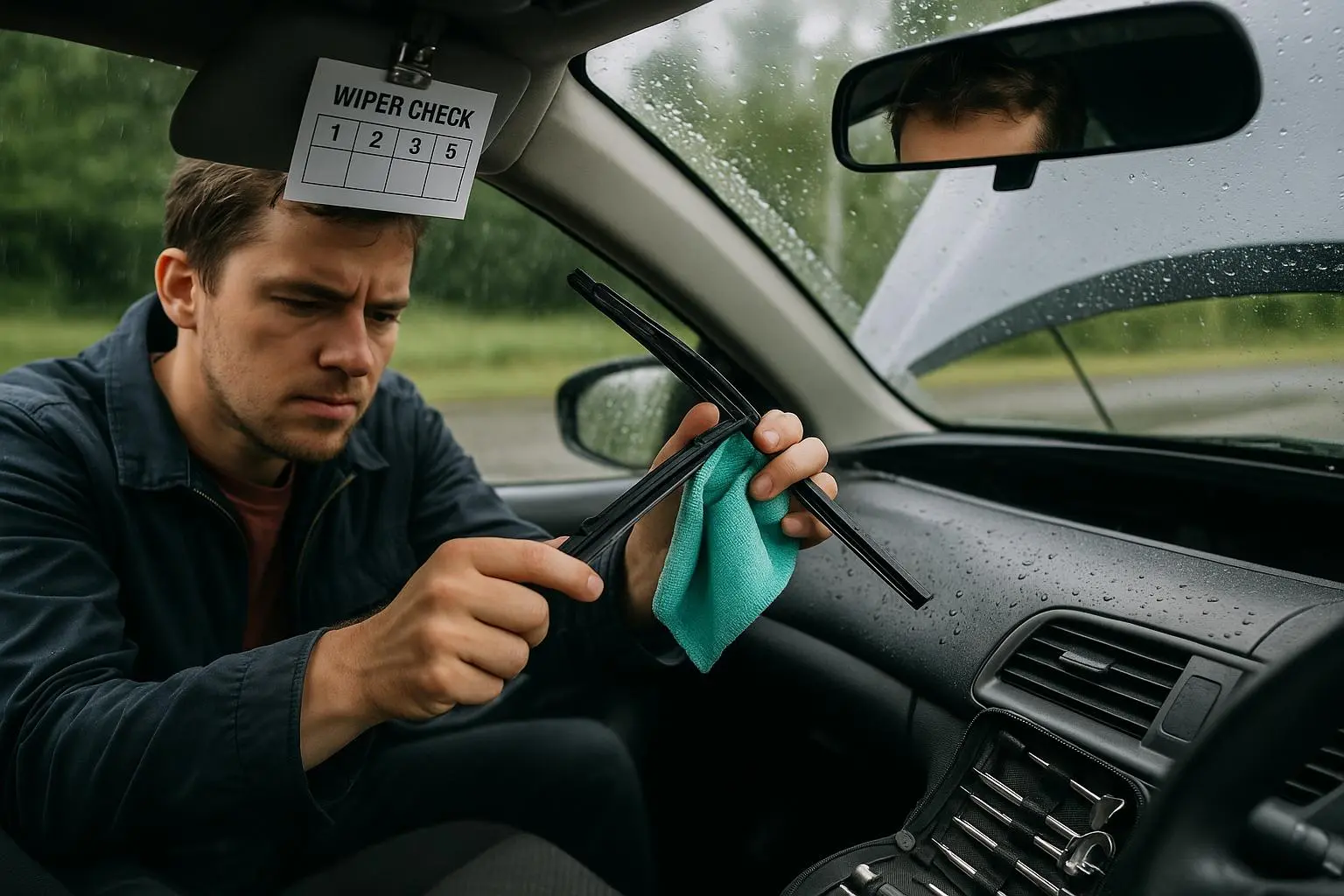
Micro-moment: I keep a tiny microfiber in the glovebox with a dab of spray cleaner. When the glass is dirty, the blades work better and last longer. It’s a 30-second detail that pays off in big, visible ways.
Why five minutes? Because the cost of neglect isn’t just a skipped wipe. It’s a safety risk. In heavy rain or snow, clear visibility isn’t optional—it’s life-saving. The better your blades perform, the more you’re prepared for whatever weather throws your way. And in research terms, a quick, proactive check reduces the chances you’ll be stuck with low visibility on a crowded highway.
Now, let’s get into it. You’ll find a practical, repeatable routine, plus a scorecard to separate “clean” from “replace,” and a one-minute printable card for the glovebox.
Step 1: Visual Check for Streaks and Skips (Inside the Car)
Time: about 1 minute
What you’re looking for:
- Start with a quick spray of washer fluid and run the wipers once.
- Watch for streaks, smears, or areas where the blade seems to skip or bounce.
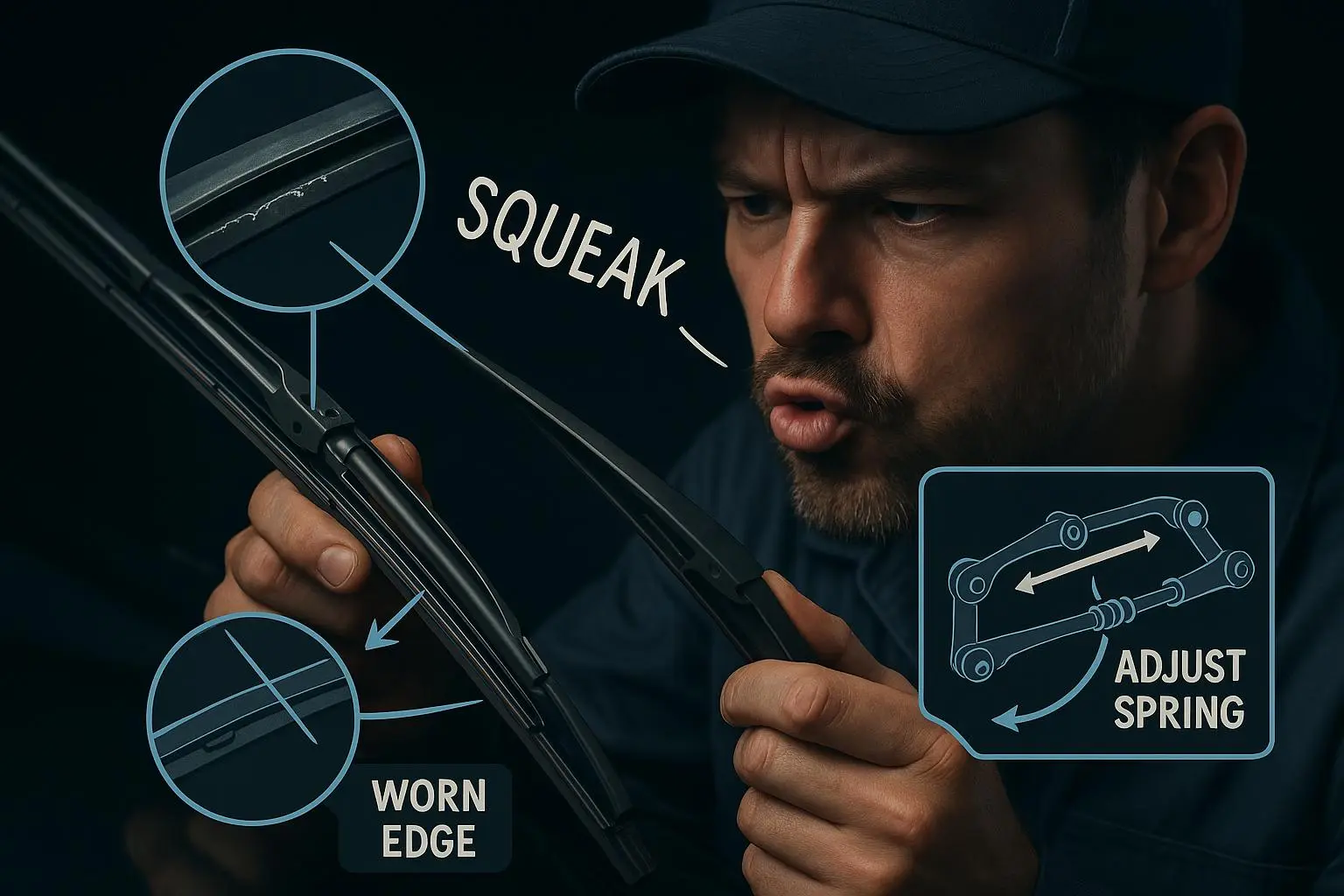
- Listen for screeching, chattering, or scraping noises.
What this tells you:
- Streaks usually point to dirt on the blade or a worn edge.
- Skipping can mean hard or cracked rubber, or a blade that no longer matches the glass curve.
A quick note I learned from experience: the inside check is often the most telling. If your blades aren’t clearing smoothly in 1 pass, that’s a signal to dig deeper, not to hope the next rain isn’t heavy.
One more micro-detail that helps: if you hear a metallic clash or squeal when the blade returns to park, it’s a sign the blade is misaligned or the arm is slightly bent. It’s not fatal, but it’s worth addressing before the next storm.
Step 2: Inspect the Rubber Edge (Outside the Car)
Time: about 1 minute
What you do:
- Lift the wiper arm away from the windshield.
- Inspect the rubber edge for tears, cracks, or chunks missing.
- Run your finger along the blade—does it feel soft and pliable or hard and brittle?
- Check the blade’s conformity to the windshield’s curve. If it doesn’t sit flush, that can spell trouble at highway speeds.
Why this matters:
- Rubber that’s cracking or stiff can’t seal properly. You’ll end up with streaks and uneven contact, especially on the glass’s curves.
Real-world angle: aged rubber loses elasticity, especially after summers roasting the blades or winters freezing them. If you see cracks or it feels like dried leather, it’s time to replace. I learned this while traveling on a cross-country drive—streaks turned a 20-minute pause into a 2-hour detour because the blades wouldn’t clear the windshield at a crucial moment. Replacing the blades saved me then and continues to save me now.
Quick tip: for a stubborn smear, sometimes cleaning the edge with a damp cloth can reveal that the issue is dirt, not wear. If cleaning fixes the problem, you may just need a fresh blade soon—but don’t leave it to chance.
Step 3: Test Arm Tension and Blade Seating (Outside/Inside)
Time: about 1 minute
What you check:
- Gently press the wiper arm against the windshield. It should spring back with firm, even pressure.
- Confirm the blade is seated evenly in the arm’s connector. A loose blade can skip or detach at speed.
Why it matters:
- A weak spring or a loose blade means inconsistent contact and uneven wiping. It’s a common cause of streaks even when the blade isn’t visibly damaged.
A quick personal note: I once replaced blades only to discover afterward that the arm spring had weakened. New blades still skipped until I addressed the arm. It’s the reminder that the blade is part of a system, not a disposable accessory.
Step 4: Clean the Blades and Windshield (Inside/Outside)
Time: about 1 minute
What to do:
- Wipe the rubber blade with a damp cloth to remove grime and bugs.
- Clean the windshield inside and out with a glass cleaner.
Why it helps:
- Road film on the blade slows it down. Frequent cleaning removes a lot of wear-and-tear that otherwise looks like blade failure.
A simple hack I use: a microfiber cloth plus a drop of dish soap for the blade, then a wipe with glass cleaner on the glass. It leaves a streak-free result that feels like a small luxury on a drizzly morning.
Quotable reminder from a fellow DIYer: “People forget the windshield itself needs to be clean for wipers to work right. A dirty windshield grinds dirt into the blades.” Accurate and worth repeating.
Step 5: Top Off Washer Fluid (and Add Anti-Freeze If Needed)
Time: about 30 seconds
What to do:
- Find the washer fluid reservoir and fill with proper windshield washer fluid (not just water).
- If winter is coming, use a fluid with antifreeze properties.
Why this matters:
- Fresh fluid improves cleaning performance, reduces smear, and protects against freezing in cold weather.
Tiny detail that sticks: in winter, I keep a small bottle of winter formula in the trunk. It’s one of those low-effort, high-impact steps that keeps you moving when roads turn nasty.
Wiper Scorecard: Clean or Replace?
Use this quick guide to decide your next step. If you see several “Replace” indicators, it’s time for new blades.
- Streaks or smears observed during Step 1: Clean or replace, depending on residual performance after cleaning.
- Skipping or bouncing: Replace.
- Screeching or heavy noise: Clean, and replace if persists.
- Cracks or tears in the blade: Replace.
- Hard, brittle rubber: Replace.
- Loose or bent arm: Replace or service the arm (not just the blade).
If the score lands on replace often, don’t push your luck. Clear visibility isn’t optional; it’s part of your safety system.
Printable One-Minute Wiper Card for the Glovebox
Keep this tiny card in your glovebox as a constant reminder:
- Look: Cracks, tears, missing rubber?
- Feel: Is it pliable or stiff?
- Wipe: Do you see streaks, skips, or noise?
- Clean: Wipe blades and windshield quick, then recheck
- Top off: Washer fluid ready for action
A quick glance before a drive or a long trip helps you act decisively rather than guessing.
Why This Routine Actually Works
Most wiper failures aren’t an abrupt leap from good to bad. They’re a slow drift: sun, heat, and dirt degrade rubber; dirt and film reduce the blade’s effectiveness; and a loose mounting or a stiff arm magnifies any minor imperfection into a visible problem.
The five-minute rule matters because it makes maintenance habitual, not heroic. You’re not committing to a full workshop visit. You’re performing targeted checks that catch the most common failure modes before they become safety risks.
Here’s what the data says, in plain language:
- Wiper blade technology has evolved, but wear and weather still take a toll. Regular inspection is a practical hedge against poor visibility in rain or snow.
- The relationship between windshield cleanliness and wiper performance is real. A clean windshield is a more forgiving surface for blades, which translates to longer blade life and better visibility.
- A proactive approach reduces the chance you’ll be caught in a rainstorm with streaks, skips, or squeals.
And yes, anecdote time: a neighbor of mine swore by the “clean blade, clean glass” approach. He keeps a small spray bottle and a microfiber in the trunk. He’ll stop at a gas station, wipe the blade, wipe the glass, then test the wipe in a minute or two. He’s never had a last-minute wiper failure on a highway trip since he started this routine. Simple, repeatable, and dramatically effective.
Your Glovebox Companion: The One-Minute Card (In Practice)
The one-minute card isn’t just a printable afterthought—it’s a behavioral nudge. In the car world, small friction adds up. A tiny cue tucked into your glovebox makes you more likely to do the 5-minute check before storms or long trips.
If you want to go all-in, pair the card with a simple reminder in your calendar once a season. It becomes a ritual, not a checklist.
When to Replace vs Clean: A Practical Mindset
- Replace if the rubber edge shows cracks, chunks missing, or the blade feels very stiff.
- Replace if the blade seating is loose and can’t be adjusted, or if the arm is bent and won’t spring back correctly.
- Clean if the blade is otherwise intact but dirty, or if a stubborn smear clears up after a wipe-down and a quick glass-clean.
The goal isn’t perfection. It’s reliable visibility. A blade that’s clean, flexible, and properly seated will outperform a stiff, damaged blade that’s forced to do the job.
A Real-World, Practical Mindset
This isn’t a marketing checklist. It’s a routine I use, and it’s made a noticeable difference in daily visibility and driving confidence. I’ve seen both sides: the moment you catch a tiny issue before a storm and the moment you realize a small cleaning pass makes an old blade feel new again. The difference is tangible when rain hits, glare floods in at night, or someone suddenly cuts you off and you need to react quickly.
If you’re the kind of person who can’t stand the idea of stalling a mini-check halfway through a commute, this approach fits your style. It respects your time, reduces risk, and doesn’t bury you under a pile of tools or tasks.
Printing, Sharing, and Optional Upgrades
- Offer a printable PDF of the scorecard and glovebox card for readers. It’s a small asset that can spread widely, especially among commuters and parents juggling school runs.
- Consider a short follow-up piece on climate-specific wiper maintenance (desert dryness, Arctic cold, coastal salt air) to show you understand the practical differences drivers face.
Final Thought
Your wipers aren’t glamorous, but they’re essential. Five minutes, once a month, and you probably won’t find yourself in a situation where poor visibility turns a routine drive into a dashboard-dinging moment. You’ll gain peace of mind, reduce total maintenance costs, and keep yourself safer on every trip.
If you want the printable PDF version of the scorecard and the one-minute glovebox card, I can drop those in as a ready-to-download add-on for your readers.