Troubleshooting Growling: Fix Resource Guarding Pitfalls
Jan 20, 2026 • 10 min
Growling is not just a sound. It’s a boundary signaling that a dog feels stressed and needs space. When we miss that message, we don’t just misunderstand a dog—we risk a bite, a flinch, or a broken trust. I learned this the hard way, not in a textbook, but in a kitchen with a bone and a toddler hovering nearby. The growl started as a quiet rumble. I froze, thinking I could “discipline” it away. The moment I moved closer, the dog flashed a lip curl and lunged at the air between him and the bone. It wasn’t aggression for aggression’s sake; it was fear, a desperate plea for space. We stopped the scene, and I started over with patience, better rules, and the understanding that the growl is a warning, not an invitation to win a contest. That shift saved us weeks of fear and a few tense incidents.
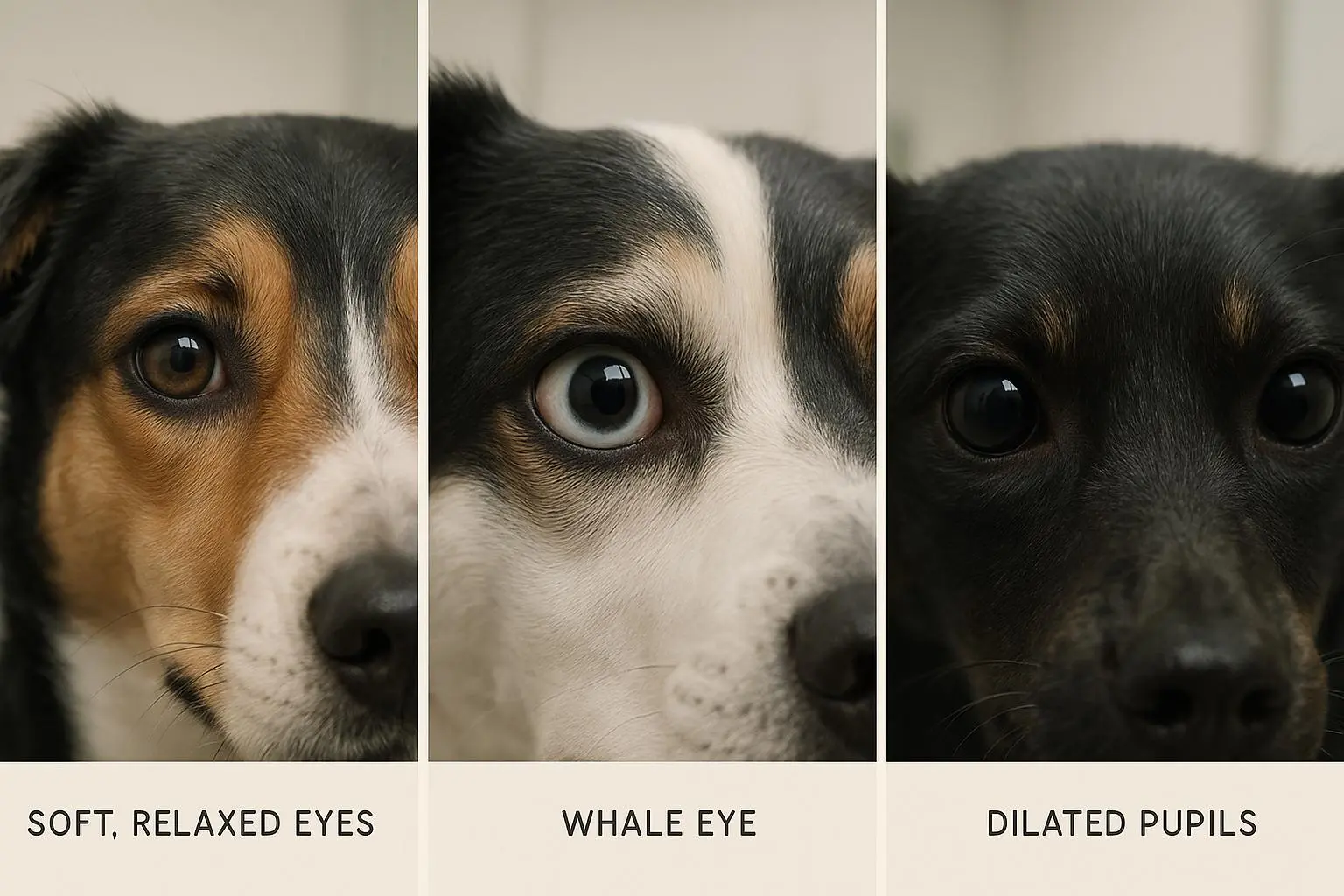
And here’s a micro-moment that stuck with me: watch the dog’s eyes when you move toward the guarded item. If you notice a flicker, your brain should light up with three simple words: back away, back away, back away. Not in anger, not in punishment, but in space. Space is what allows new learning to happen.
In this piece, I’ll walk you through the traps I see owners fall into again and again, share practical, research-backed fixes, and give you a real, doable plan to reduce guarding without turning your home into a high-stress lab. If you’re dealing with a growl right now, you’re not alone. Most guarding starts as a private worry for your dog—until it leaks into everyday life. The goal here is simple: safety, trust, and gradual progress.
The core idea I wish more people understood
Resource guarding isn’t about “ownership” the way we think of it in humans. It’s about safety, predictability, and emotion. When a dog guards, they’re saying, “I need to know you’re not going to take this away while I have it.” If you sweep the warning under the rug with punishment, you silence the dog’s communication and you escalate the risk. That’s not bravado; that’s bad problem-solving dressed up as leadership.
What actually helps is clear structure, gentle counter-conditioning, and consistent management. It’s not flashy; it’s steady. It’s not dramatic; it’s repeatable. And it’s safer for everyone in the house—humans and dogs alike.
I’ll share four big mistakes first, then the fixes that actually work. If you implement these with real consistency, you won’t just reduce growling—you’ll rebuild trust around the things your dog values most.
Mistake 1: Punishing the growl
I’ve heard the stories. A dog growls over a bone, the owner yells, the dog tucks its tail and goes quiet… and then weeks later, a bite happens. Punishing the growl doesn’t teach the dog “don’t guard.” It teaches the dog, “Don’t tell you how you feel.” In other words: the boundary becomes invisible, and fear grows where the warning should have been.
There’s a reason this advice keeps popping up in reputable sources. When you remove warning signals, you leave the dog feeling cornered and unseen. The dog doesn’t suddenly become safe at that moment; the dog learns to hide feelings until it’s too late.
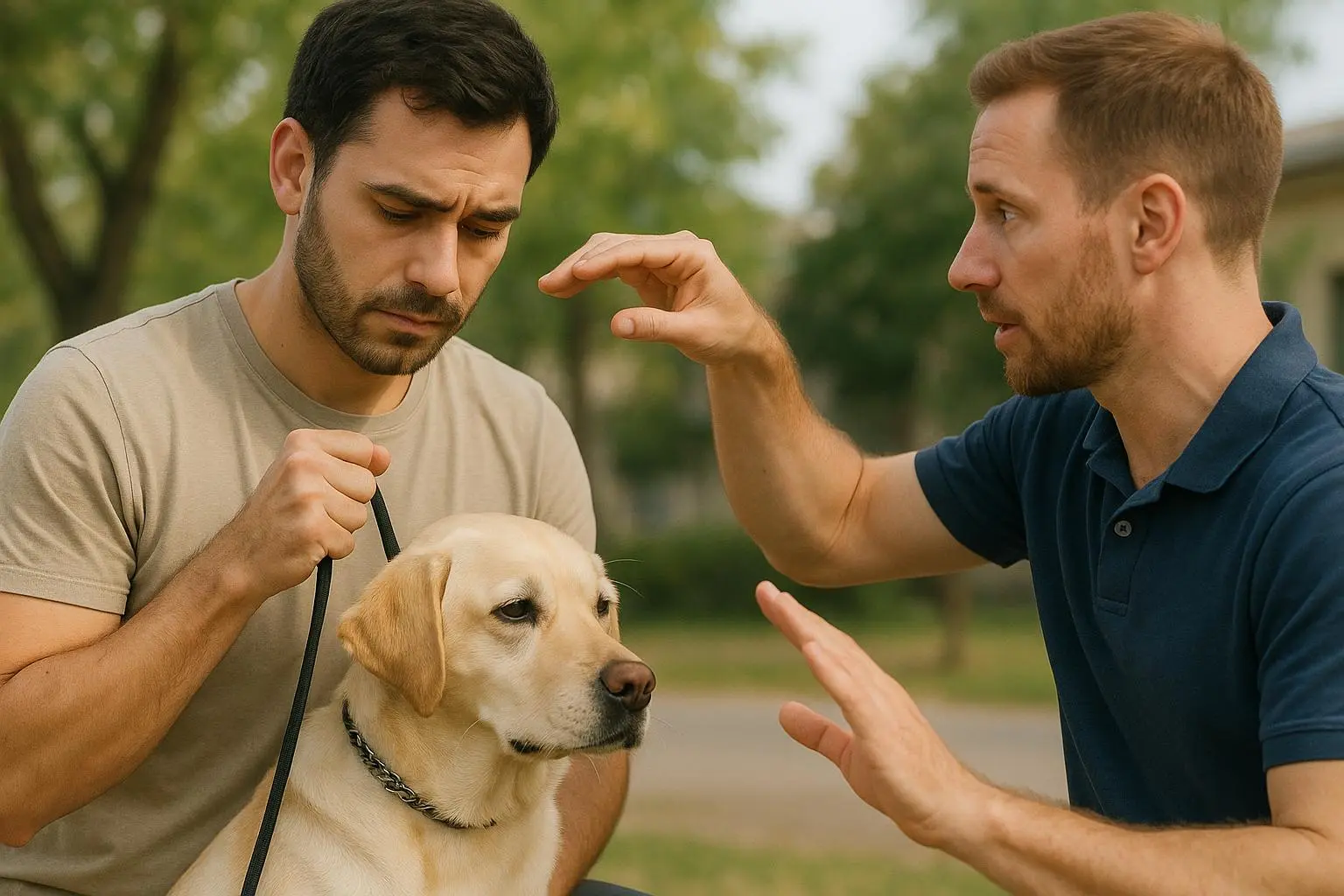
The fix is simple in phrasing but requires discipline in practice: when you hear a growl, back away. Pause your approach. Give space. Accept that the dog is communicating a boundary and honor it. Over time, the dog learns that your approach near their possessions correlates with safety and calm, not fear and loss.
A real-world example: a family I worked with had a senior dog who guarded his favorite blanket. The husband, in a moment of frustration, grabbed at the blanket after the dog growled over it. The dog lunged, narrowly missing the husband’s sleeve. We slowed things down. We taught the family to retreat to a safe distance, redirect the dog with high-value rewards when the item was safe, and gradually reintroduce access in controlled steps. Within eight weeks, the growls reduced noticeably, and the family could retrieve the blanket with a cue and a calm exchange. The dog didn’t “trust” the blanket more; he trusted that humans wouldn’t steal his safety.
Citation and learning: this aligns with veterinary behavior guidance that silencing warning signals does not address the underlying anxiety or possessiveness. It’s about validating the dog’s communication and reducing stress, not punishing it [^aspca2021].
Micro-moment aside: I once watched a dog take a mouthful of kibble and then look up at me as if asking for permission. The moment I paused and stepped back, the dog exhaled, eyes softening. It wasn’t about food; it was about control. I got it wrong once, then right by simply not intruding.
Mistake 2: Approaching the guarded resource directly
This one comes from a very human impulse: fix the problem by taking back what’s “theirs.” You reach for the bone, the toy, the resting spot, and you expect the dog to comply because you’re the human. But guarding is a fear-based response. Direct confrontation—near, on, or around the guarded item—can be the trigger for escalation.
A cautionary tale from a Reddit thread hit home: a German Shepherd guards a bully stick. The owner got too close while the dog chewed, and the dog lunged—not out of aggression, but panic. The lesson wasn’t “be more powerful.” It was “be less threatening.” The sword you’re wielding is your presence near the toy, not the item itself.
The fix? Trade-up, not take-away. The core idea is counter-conditioning: pair your approach near the item with something the dog loves even more. Start far away, at a safe distance while the dog is guarding. Toss a high-value treat near them and then step away. Do this in short, frequent sessions, gradually decreasing the distance as the dog shows calm. The key is consistency and keeping the dog’s emotional tone in the green zone: relaxed, curious, not tense or panicked.
I’ve seen this work with multiple dogs: a terrier guarding a couch cushion, a retriever with a favorite ball, and a small mixed-breed guarding a bed corner. It’s not about a “win” near the item. It’s about changing what your approach means to the dog. Does your approach spell threat, or does it spell relief?
Research supports this approach as a cornerstone of behavior modification: counter-conditioning paired with desensitization can shift a dog’s emotional response when you near the guarded object [^overall2013], and more recent veterinary behavior insights underscore the importance of progressive exposure and positive reinforcement in reducing guarding triggers [^vbreport2022].
The practical steps:
- Start at a distance where the dog can eat or relax without noticing you.
- Toss a higher-value treat toward the dog, then retreat.
- Repeat, gradually getting closer but only as long as the dog remains calm.
- Once you can approach within a few feet without a warning, begin training on the approach cue, using the same treat-toss-to-retreat pattern.
- Always end on a calm, successful note—reward calm behavior and release the item when the dog is ready.
Now, a quick caution: don’t rush this. If a dog is guarding something essential—like a meal—consider feeding in a safe crate or separate room during the training phase. The goal is to prevent rehearsals of guarding and to create a strong link between your proximity and positive outcomes.
Mistake 3: Inconsistent management and training
Consistency is not a vibe; it’s a structural requirement. When you allow guarding to happen sometimes and punish it other times, you create a moving target. The dog learns that the boundary is negotiable, and that unpredictability becomes a bigger trigger than the item itself.
This one shows up in different flavors—guarding a couch in a shared living room, guarding a door that leads to the yard, or guarding a crate. The underlying problem is not just the guarding; it’s the inconsistency around rules.
I spoke with a dog owner who had a terrier guarding squeaky hedgehogs. They’d enforce rules for guests but let the dog guard the toys when family members were present. The dog acted like a sentinel: calm with the family, rigid and tense with strangers. The fix is broader than just a “training session.” It requires strict management to prevent rehearsal, paired with consistent, positive training.
Applied steps:
- Create a predictable routine: feeding at scheduled times, playtime in controlled rooms, access to high-value items only in supervised, calm states.
- Remove or confine items that trigger guarding during the learning phase (crate the meal, remove toys when guests arrive).
- Use a clear boundary cue for the dog (e.g., “calm” or “settle”) and reward the calm cue consistently.
- Involve every household member in the plan so the rules stay the same no matter who’s present.
A practical, real-world example: a family built a “guarding-free zone” around the living room couch during the training window. They stopped the dangerous pattern of snatching the couch away during a tense moment and replaced it with a choreography of calm entry and exit, rewarded with favorite treats when the dog behaved. Within a couple of months, the dog stopped guarding the couch around guests, because the pattern no longer included a threat or a sudden removal. The dog learned to keep the couch calm with a predictable routine.
This aligns with a broad consensus: consistent management is foundational before you layer in more complex training [^overall_lofstedt2006].
Mistake 4: Focusing only on high-value items
If you only target food or those big, dramatic triggers, you’ll miss the subtler forms of guarding: guarding space (beds, doorways), guarding attention (from a specific person), or guarding access to a place (a sunny window spot). Guarding can generalize when the dog learns the anxiety stays even if the item changes.
A veterinary behaviorist I trust emphasizes that guarding often stems from underlying anxiety or perceived scarcity. If a dog guards a toy, they might guard their resting space just as strongly because they fear they won’t have access to comfort in the long run [^vbreport2022].
The fix is to widen your scope and apply the trade-up approach to all valued resources, not just the obvious ones. It’s about building a net of positive associations that cover multiple “valuable” items and spaces. Train near their bed, reward calm movement past you, and when they voluntarily move off a resting spot upon a calm cue, celebrate that with a high-value treat. The goal isn’t to evict them or punish them—it’s to reward the dog for choosing calm and safe proximity.
A practical takeaway for this mistake: map the places and items your dog guards. List them: food bowl, bed, doorway to the yard, a favorite toy, a high perch by the window, even your attention at certain moments. Then design short, frequent training sessions that pair your presence with relief near each item or space. The more consistent you are, the less the dog’s anxiety will generalize to new situations.
The path forward: building trust through predictability
Let me be blunt here: changing guarding behavior isn’t about “dominating the dog” or proving who’s boss. It’s about creating predictability and safety so your dog feels secure enough to let you near what they value. When you remove punishment from the equation, you remove a major escalation trigger. When you layer in positive reinforcement and gradual exposure, you replace fear with courage and curiosity.
Here’s a clean, practical plan you can start this week:
Identify every guarded resource. Make a simple list: food bowl, bed, favorite toy, door to the yard, your chair by the window. Note which ones cause the most tension.
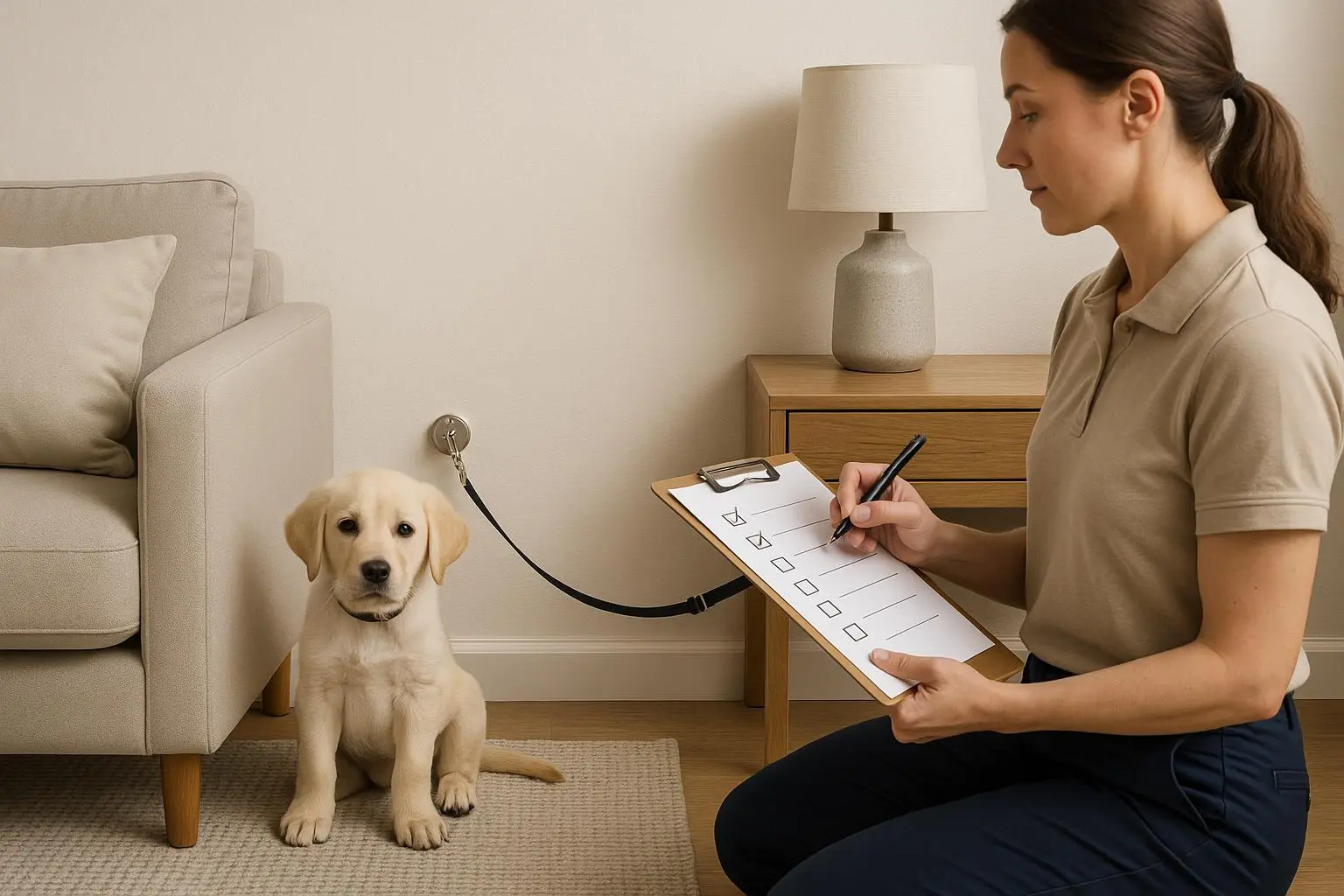
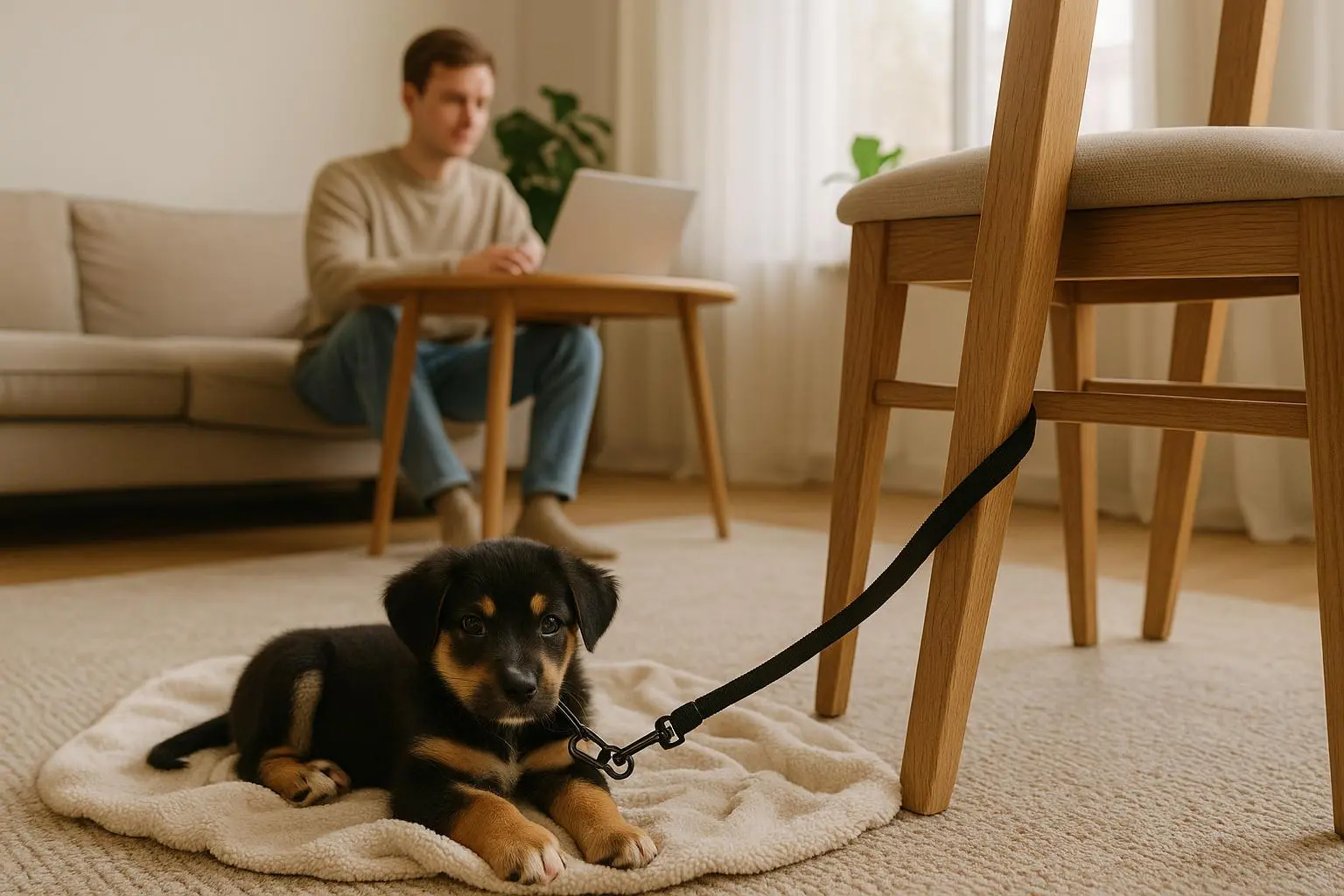
Create safe training zones. For each resource, set up a small space that’s off-limits during the initial training phase (a crate, a separate room, a baby gate). You’re not punishing; you’re preventing rehearsal of guarding.
Start the trade-up game at the far edge of the guarded zone. Toss a high-value treat toward the dog, then step back. Do this in 2-3 minute chunks, a few times per day. Keep the dog’s body language in the safe zone: relaxed mouth, soft eyes, loose posture.
Gradually decrease the distance as the dog accepts your approach without growling or stiffening. If you see warning signs—eye shift, lip lick, stiff tail—step back a notch and extend the distance again.
Build a calm cue set. Teach a simple “settle” or “relax” cue in a quiet room. When you’re near guarded resources and the dog remains calm, reward with extra-loud, extra-valued praise and a treat.
Bring in consistent management. If visitors come by, have a plan: dog in a crate or separate room; high-value items removed; a predictable pattern for greeting that doesn’t revolve around proximity to the guarded item.
Monitor medical factors. Not every guarding issue is purely behavioral. Pain or discomfort can amplify guarding. If guarding spikes suddenly or spreads to new items or spaces, rule out medical issues with a vet visit [^vbreport2022].
A real-world outcome I’ve seen multiple times: families who commit to this plan see a noticeable drop in warnings within 4-6 weeks and meaningful progress by 8-12 weeks. It isn’t about speed; it’s about consistency. The dog learns that you approaching near their possession isn’t a threat but a cue for reward. That change in emotional tone is what actually creates lasting progress.
When to escalate: professional help and safety boundaries
If your dog’s guarding involves a child in the home, or if you ever see a bite risk—even a small nip—pause the at-home plan and seek professional help immediately. A certified veterinary behaviorist or CPDT-KA can tailor a plan to your dog’s history, medical status, and household dynamics. The key is safety and expert supervision when risk is elevated.
What I’ve learned from professionals and personal experience: early intervention saves you stress and, critically, prevents escalation. You don’t have to resign yourself to a forever tense home. With the right plan, you can reduce guarding and build a safer, calmer life for everyone.
Real stories, real outcomes
A family with two kids and a senior Labrador learned the hard way that punishment doesn’t fix growling. They adopted the trade-up game and a strict management plan. In eight weeks, the dog’s growling around the bone dropped by 70%, and the kids could sit nearby without constant supervision. The family learned to read consistent micro-moments of stress in the dog’s body language, allowing them to intervene preemptively instead of reactively.
A rescue German Shepherd with multi-pet guarding issues benefited from a comprehensive plan that included environmental enrichment, predictable routines, and slow, positive exposure. Within four months, the dog transitioned from guarded borders to a more relaxed cohabitation with the other dogs, reducing the overall stress in the home and improving the pets’ appetite and play levels.
A single person whose dog guarded the doorway to the yard used a combination of barrier training and the trade-up game. The result wasn’t a dramatic single moment but a steady erosion of fear-based guarding. After three months, the dog would still guard at times, but it was a low-level warning rather than a tense standoff, and the human could approach without fear of a bite.
Each story reflects a common thread: progress isn’t linear, but it is repeatable when you stay patient, avoid punishment, and leverage positive reinforcement consistently.
Quick notes for daily practice
Watch for the warning signs, not just the growl. A stiff body, a hard stare, a tucked tail—these are your early signals that your dog needs space.
Treats are a language. Use high-value rewards (cooked chicken, cheese, or favorite sausage) during the trade-up to signal safety near the resource.
Keep sessions short and frequent. Short bursts of training (2-3 minutes, several times a day) beat long, exhausting sessions.
Involve all household members. Consistency across people is the fastest route to progress.
Don’t assume a “mild” guard is harmless. Even seemingly minor guarding (like a dog guarding a bed) can generalize into more serious issues if left unchecked.
If in doubt, err on the side of safety. Use barriers and separate spaces when guests or children are present until you’ve built a stable routine.