Build a Breath-Based Focus Playlist
Feb 16, 2026 • 9 min
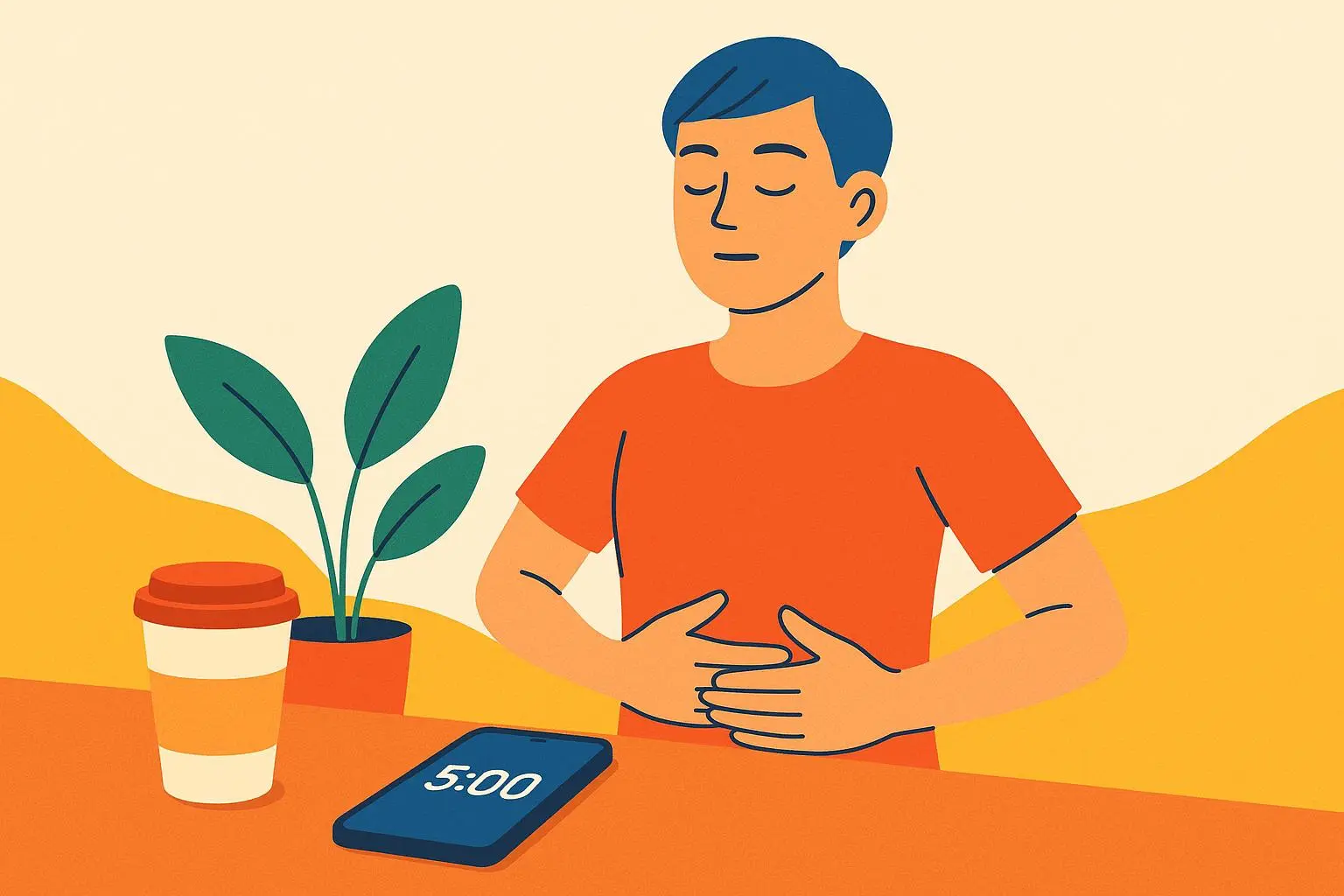
You reach for coffee because your brain needs a state shift — not because your keyboard demands it. Breathwork can give you that same shift, minus the crash.
This post is a how-to, not a manifesto. I’ll show the breathing ratios that work for brainstorming, deep editing, nerves-before-a-meeting, and quick recovery. You’ll get audio-cue templates, timer integrations, and a four-week experiment to test whether breathwork can actually replace some of your caffeine sips.
Yes, it sounds soft. Try it for a week and tell me it didn’t change your afternoons.
Why breathe intentionally during work?
Breathing is the simplest knob you can turn on your nervous system.
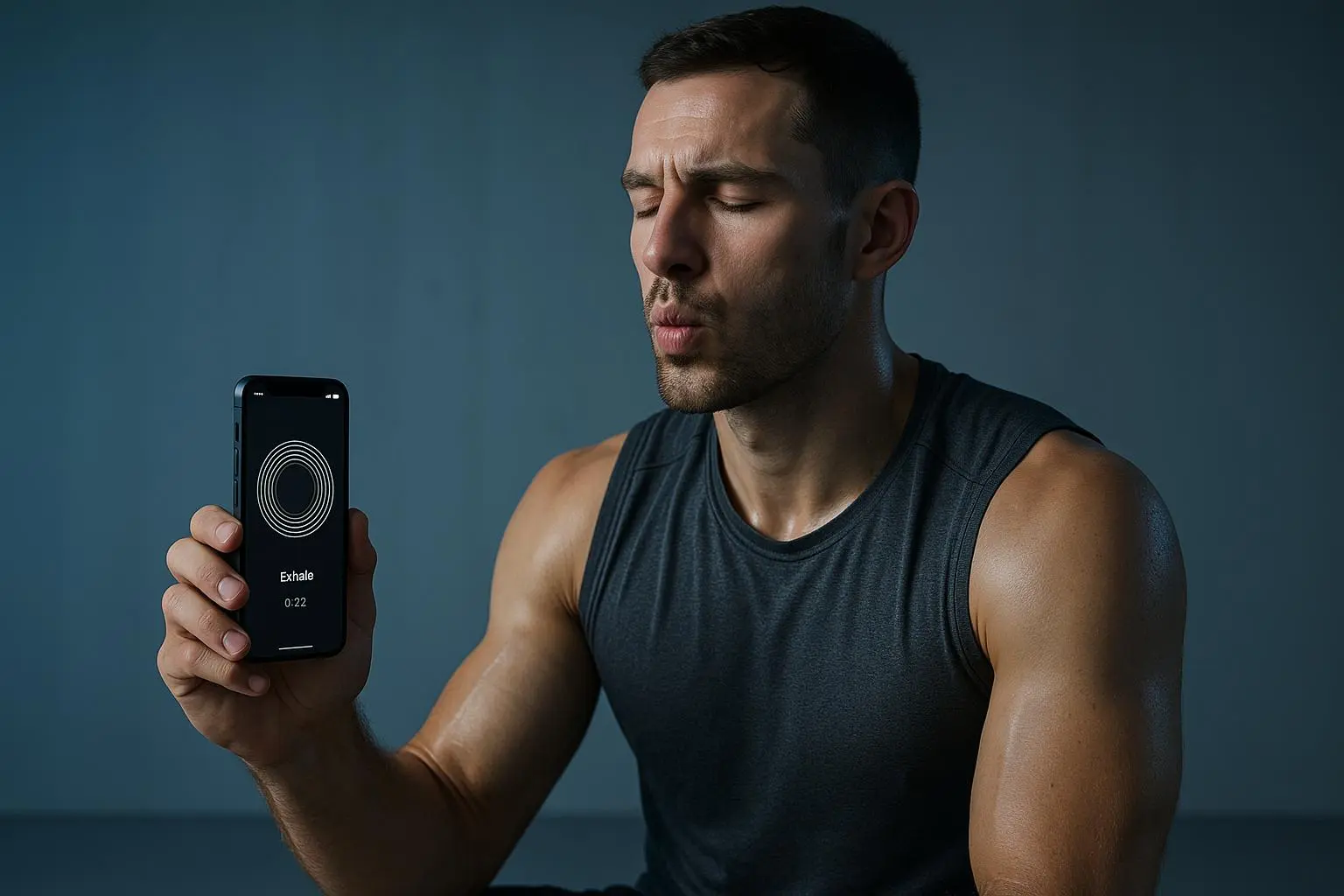
Slow, extended exhales increase vagal tone and calm you down. Shorter or slightly longer inhales nudge you toward alertness. The trick is matching the rhythm to the job: creative bursts need a different pattern than meticulous edits.
Research and apps back this up. Clinical studies show respiratory pacing affects concentration and stress markers[1]. Practical breath programs used in workplaces and apps (Breathwrk, Calm, Peloton) combine cues with sound to keep people honest and consistent[2][3].
But science aside, the workday is messy. This method is about being useful in that mess.
The ratios that actually matter (and when to use them)
Think of ratios as presets on a mixing console. Each one shifts your physiological "tone."
- 4:2 (Inhale 4, Exhale 2) — Quick alertness. Use it to start a session or wake up for a spike of creative energy.
- 4:6 (Inhale 4, Exhale 6) — The sweet spot for deep work. Longer exhales calm the background noise without sedating you.
- 4:4:4:4 (Box breathing) — Centering and performance readiness. Great pre-meeting or pre-presentation.
- 4:8 (Inhale 4, Exhale 8) — Reset and recovery. Use it before lunch, after a tense call, or late afternoon instead of espresso.
I use compact notation in this post: "4:6" means inhale for four counts, exhale for six, no holds. If you prefer holds (4:4:6:0) you can add them later, but start simple.
The workday playlist: templates and timings
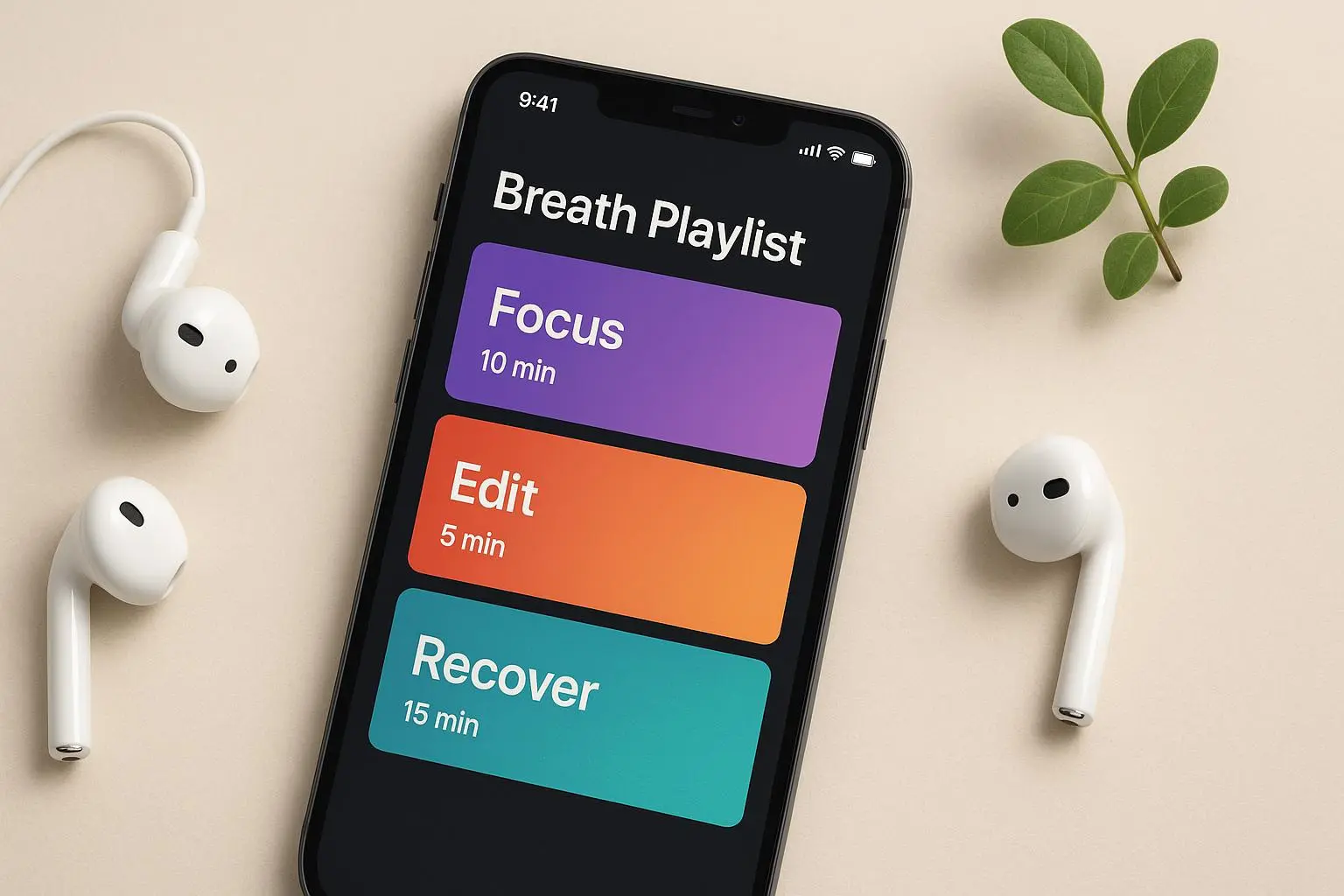
Here's a practical playlist you can drop into your calendar or app. Every item includes duration, goal, and an audio-cue template you can record into your phone.
- Morning Focus — Box Start
- Ratio: 4:4:4:4
- Duration: 3–5 minutes
- Goal: Wake up without jitters. Set tone for the day.
- Cue script: "Inhale 1-2-3-4. Hold 1-2-3-4. Exhale 1-2-3-4. Hold 1-2-3-4."
- Brainstorm Sprint — The Jolt
- Ratio: 4:2
- Duration: 2–4 minutes before a creative sprint
- Goal: Increase alertness and divergent thinking.
- Cue script: "Inhale for four. Exhale for two. Quick, energizing."
- Deep Work Block — Flow Anchor
- Ratio: 4:6
- Duration: 5–10 minutes at the start of a 50–90 minute session
- Goal: Quiet mental chatter and stabilize attention.
- Cue script: "Inhale 1-2-3-4. Exhale slowly 1-2-3-4-5-6. Let words fall away."
- Pre-Meeting Grounding — Presence Check
- Ratio: 4:4:4:4
- Duration: 2–4 minutes immediately before a call
- Goal: Reduce anxiety and speak clearly.
- Cue script: "Box breath now. Breathe in... hold... breathing out... hold..."
- Recovery Reset — Afternoon Replacement
- Ratio: 4:8
- Duration: 4–6 minutes
- Goal: Release cortisol build-up and avoid the caffeine crash.
- Cue script: "Deep in for four, out for eight. Feel shoulders drop."
- Evening Calm — Sleep Prep
- Ratio: 4:8 or extended 4:10 (if comfortable)
- Duration: 6–10 minutes before bed
- Goal: Improve sleep onset and next-day focus.
- Cue script: "Long exhale now. Let go on the out-breath."
Use gentle chimes to mark phases if you find counting distracting. Apps like Breathwrk and Calm will do the counting for you, or record your voice into any audio editor and loop it.
How to actually build this playlist in your tools
You don’t need fancy gear. I’ll give three practical options based on what most people already use.
- Phone app route (fastest)
- Breathwrk or Calm: search or create sessions for each ratio.
- Save them as a “Workday” collection.
- Set calendar reminders that launch the session.
- DIY audio route (most flexible)
- Record short voice cues with your phone (each cue 2–6 minutes).
- Add a soft ambient music bed (royalty-free) if you like.
- Create a playlist in Spotify or Apple Music with those audio files at the start of designated work chunks.
- Timer + bell route (low friction)
- Use a micro-break timer like microbreaks.co or your Pomodoro app.
- Assign the breathing ratio to the break period.
- Add a one-minute bell to signal start and end.
I prefer the DIY audio route because you can tailor language and tone. The first time I recorded my own voice saying, "Inhale for four, breathe out completely," it felt oddly intimate—and I stuck with it longer than a canned app.
Micro-moment: I still remember the first day I used chimes. The tiny Tibetan bell at the end of a 4:6 session sounded like finishing a mini-ritual. It made me respect the break.
How to use timers and work rhythms
Pair breath sessions with natural hooks in your day.
- Pomodoro: After a 25-minute sprint, do a 4:6 reset for 3–5 minutes instead of doom-scrolling.
- Before meetings: Set a calendar event 5 minutes earlier and do a box-breathing ritual.
- Task transitions: Use a 2-minute 4:2 burst to switch from admin to creative tasks.
- Weekly planning: Block a 10-minute breath as part of your Monday setup to prioritize calmly.
If you’re using Focusmate or accountability partners, start sessions with a 60-second 4:4 rhythm. Synchronous breathing, even short, improves presence and reduces fidgeting.
A simple 4-week experiment to test caffeine replacement
Treat breathwork like any intervention: track it.
Week 1 — Baseline + One Swap
- Track when you drink caffeine and rate focus (1–10) before and 30 minutes after.
- Replace your least important cup (often the 3 PM) with a 5-minute 4:8 reset.
- Log subjective changes.
Week 2 — Two Swaps
- Replace the morning "habit" coffee with a 3-minute 4:2 wake-up.
- Keep the afternoon 4:8.
- Continue focus ratings and note mood, jitteriness, and productivity.
Week 3 — Challenge Day
- Pick two workdays this week to go caffeine-free and use breath only.
- Use 4:6 at the start of deep sessions and 4:2 to begin active work.
- Record your hours of sustained focus and subjective alertness.
Week 4 — Optimize
- Review logs. Which ratio felt like the best substitute? Did any moments demand caffeine regardless?
- Tweak: try 4:0:7:0 instead of 4:6 for long edits; try 5:3 for a slightly stronger wake-up.
- Decide whether to permanently replace some cups, or keep breathwork as a complementary tool.
Don’t expect perfection. Some days you’ll still want coffee. The goal is reduction and better timing, not asceticism.
What I learned when I tried this (my story)
Two years ago I hit a mid-afternoon wall that felt like a low-grade panic. I was drinking a second Americano and still couldn't focus. I decided to test breathwork for a week.
Day 1: I swapped the 3 PM espresso for a 5-minute 4:8 session. I felt calmer but slow. I worried it was placebo.
Day 3: I tried 4:2 before a creative meeting and surprised myself by pitching two solid ideas in quick succession. The team leaned in; I hadn’t expected that.
By Day 7: I had three observations. One, the long-exhale reset kept me mildly calmer for multiple hours, not just thirty minutes. Two, the short inhale-heavy pattern (4:2) was addictive in a good way — a clean spike without the shakes. And three, consistency mattered; on days I skipped the rituals, the coffee cravings returned faster.
I tracked mood and focus on a 1–10 scale. Average afternoon focus rose from 5.6 to 7.1 that week. Caffeine intake dropped by about 30%. Nothing dramatic, but sustainable. That’s what sold me.
Safety notes and common gotchas
- Don’t push into dizziness. If you feel lightheaded, slow the pace, sit down, and breathe normally until you feel steady.
- Stimulating patterns (fast inhales) can trigger anxiety in some people. If that happens, stick to box breathing and long exhales.
- People with respiratory or cardiovascular conditions should consult a clinician before trying aggressive patterns.
- Hyperventilation risk is real. Keep inhales and exhales smooth, not forced.
If your hands start tingling or you get tunnel-vision, stop and breathe naturally. You’re aiming for functional shifts, not theatrical hyperventilation.
Measuring impact (quick and dirty)
You don’t need lab gear. Use three metrics:
- Subjective focus rating (1–10) before and 30 minutes after sessions.
- Caffeine log (cups, time, and perceived necessity).
- Session adherence (days completed vs. planned).
If you want physiological data, pair breathing with an HRV app (Elite HRV) and track changes in vagal tone during different ratios[4]. Many people report clearer HRV improvements with longer exhales.
Final tips to get started today
- Start with one swap: replace your least-needed cup with a 4:8 reset for five days.
- Record one short audio cue in your voice; you’ll stick to it longer.
- Use a calendar hook — breathing needs scheduled invitations, not vague intentions.
- Keep it small: two 3–5 minute sessions a day outperform a dramatic one-hour attempt you’ll abandon.
Breathwork won’t fix everything. But it gives you a reliable tool to steer your state, reduce reactive caffeine use, and reclaim small, intentional pauses in a noisy day.
Try this for four weeks. Track a few numbers. If your afternoons stay smoother and your coffee habit shrinks, consider that a win.
References
Footnotes
-
Lehrer, P. M., & Gevirtz, R. (2019). Respiratory-Sinus Arrhythmia Biofeedback: Clinical Applications and Physiological Mechanisms. Applied Psychophysiology and Biofeedback. Retrieved from https://doi.org/10.1007/s10484-019-09447-2 ↩
-
Breathwrk. (n.d.). Take a Breath — How to Maximize Productivity in the Workplace through Breathwork. Retrieved from https://www.breathwrk.com/post/take-a-breath-how-to-maximize-productivity-in-the-workplace-through-breathwork ↩
-
Insight Timer. (n.d.). Breath Meditation for Focus and Productivity by Brooke Blocker. Retrieved from https://insighttimer.com/brookeblocker/guided-meditations/breath-meditation-for-focus-and-productivity ↩
-
Elite HRV. (n.d.). HRV and Guided Breathing for Readiness Tracking. Retrieved from https://elitehrv.com ↩