Transition Rituals to Enter Flow: 9 Tiny Habits for Focus
Feb 11, 2026 • 9 min
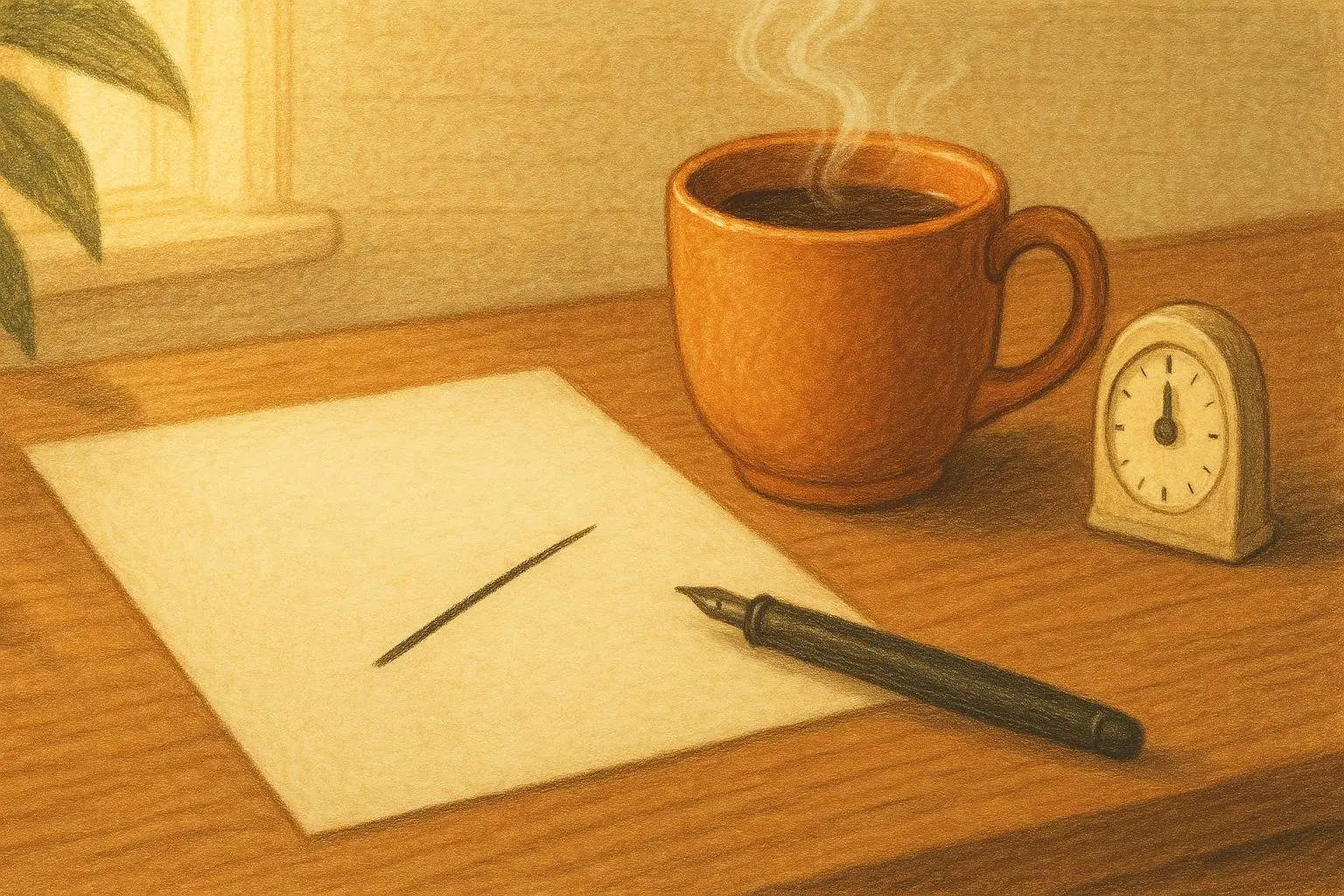
If you’re an artist, writer, or designer, you’ve probably felt that pause between “I should start” and “I’m in it.” The blank page stares back, the canvas waits, the code line refuses to become a feature. I’ve been there more times than I care to admit. And here’s what finally helped: a set of small, repeatable rituals that signal to my brain, “It’s go-time.” Not big changes. Tiny, reliable cues that make starting feel almost effortless.
This isn’t a cozy productivity pep talk. It’s a practical toolkit you can test over two weeks to build your own personal flow triggers. It’s about the micro-rituals that act like on-ramps to deep work—signals your nervous system recognizes, so you slide into focus faster and stay there longer.
And yes, I’ve used these in real projects with real results. I’ll share one story below so you can see how it feels when a plan meets a deadline, not just an idea on a page.
The core idea: rituals beat randomness
Here's what I learned the hard way: you can't rely on willpower alone to enter flow. Willpower is a finite resource, and distraction loves a vacuum. A well-designed transition ritual fills that vacuum with a predictable pattern. Your brain recognizes the cue, anticipates the routine, and rewards you with smoother entry into deep work.
Think of it like a software shortcut for your attention. You press a button, and your brain opens the app that actually matters. The ritual is that button.
A quick aside that stuck with me: early in my freelance days, I tried to “just write.” I’d sit down, open a document, and immediately start second-guessing every sentence. It felt like fighting gravity. Then I started pairing a 30-second sensory cue with a tiny physical action—like adjusting the lighting and dropping a small object into a dedicated tray. The session felt lighter, and I could stay with the first paragraph long enough to find a rhythm. That small shift changed everything.
Micro-rituals aren’t magic. They’re practical signals that reduce starting friction, and they compound: the more you repeat them, the more your brain expects the next step. The trick is to choose 2–3 rituals that fit your workflow and actually land in your environment.
The nine micro-rituals for entering flow
I’ve grouped these by the kind of cue they trigger. Pick one from each group (or mix and match to form a tiny stack) and test them for two weeks.
1) Physical & environmental cues (the do-on-arrival)
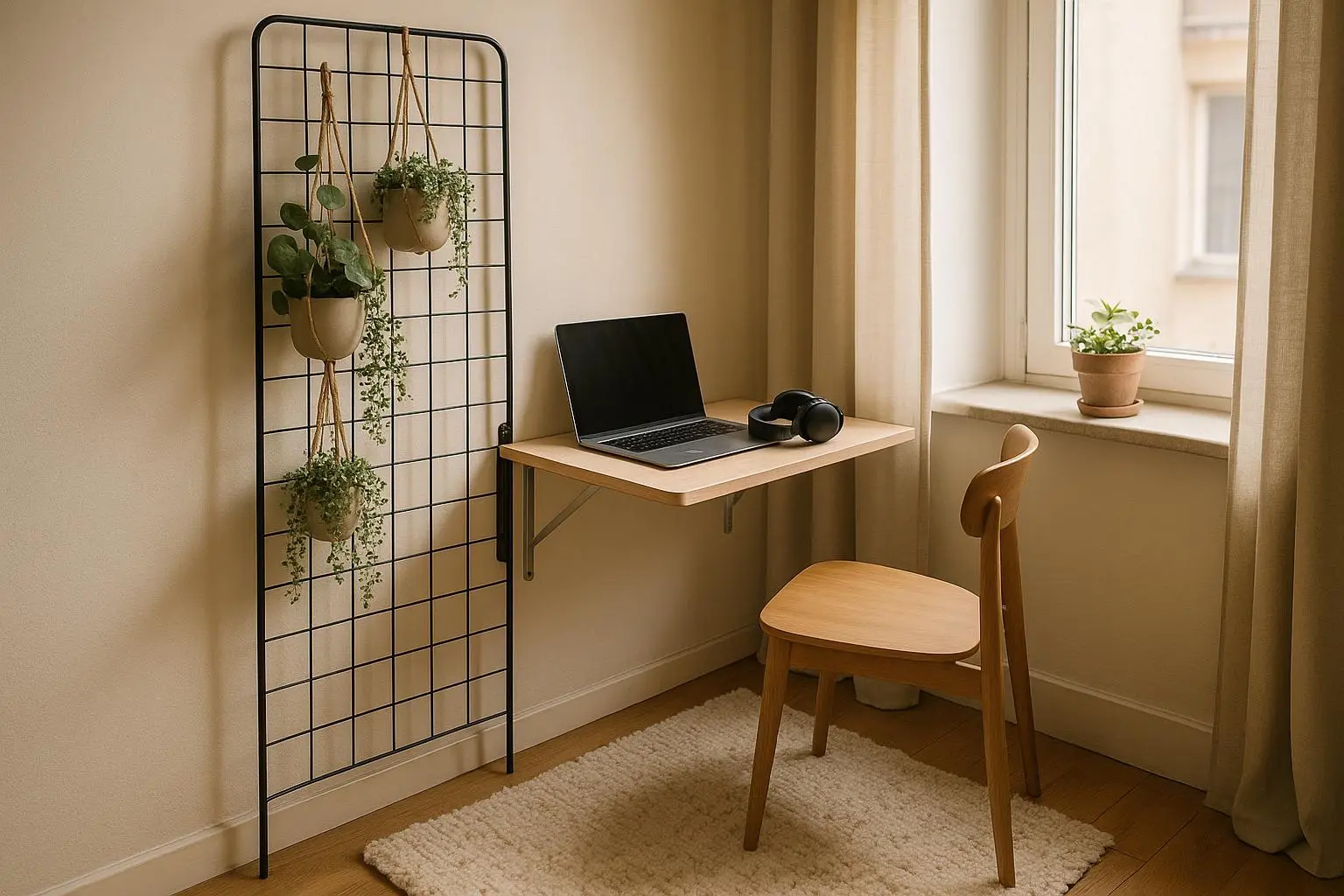
Desk reset in 30 seconds. Before you touch a keyboard, wipe down the monitor, straighten the notebook, and align your tools. It’s not cleaning; it’s creating a clean slate. James Clear talks about environment shaping behavior, and this is the mini-version you can apply daily.
A 30-second movement sequence. A quick set of movements—10 squats, 10 arm circles, a slow neck stretch—gets blood moving and tells your nervous system, “We’re moving from casual to deliberate.”
Analog task transfer. Move the top three tasks from your digital planner to a small physical card. It’s a tactile commitment that reduces the brain’s urge to wander into the inbox.
2) Sensory & auditory priming
The flow playlist activation. Create a non-lyrical playlist you only listen to while in deep work. The moment the music starts, your brain starts to associate that sound with focus. If music is distracting for you, swap in a consistent ambient sound or a specific white-noise texture (think distant cafe vs. rainforest).
The scent anchor. A diffuser with peppermint for alertness or rosemary for cognitive clarity can be surprisingly potent. Use the scent only during focused work sessions to reinforce the cue.
The lighting shift. Swap from harsh overhead lighting to a desk lamp or adjust the color temperature to a cooler setting. Lighting is a quick boundary between leisure and work.
3) Mental & grounding sequences
The 3-breath grounding. Three deliberate breaths—inhale four counts, hold four, exhale six—activate the parasympathetic system and settle racing thoughts before you touch the keyboard.
The do-on-arrival file, single-file commitment. Open only one file or document for the first 15 minutes. It protects you from the all-too-human urge to flick through related materials or email first, which erodes momentum.
The time box commitment. Verbally or mentally anchor your session to a finite window, like “I’ll work for 25 minutes.” Short time boxes reduce the resistance of “doing all the work today” into a manageable, finite sprint.
If you’re counting, yes, that’s nine. But the aim isn’t to stack every ritual into every session. The goal is to build a lean, repeatable sequence that you actually enjoy doing and that consistently shifts you into focus.
Structuring your personal ritual stack
The real power comes from combining 2–3 micro-rituals into a 15–30 minute sequence. The exact makeup isn’t sacred; what matters is repetition and coherence. Here are two example stacks you can borrow or adapt:
- Morning creative stack: Desk reset (30s) → 3-breath grounding (10-15s) → Do-on-arrival single-file (15s) → Begin main work
- Quick-hit stack for a mid-day slump: Analog task transfer (20s) → Lighting shift (10s) → Flow playlist activation (0-5s) → Warm-up exercise (5 min) → Begin main work
The structure matters far less than consistency. Your brain learns to recognize the pattern as a signal that focus time has begun. That’s how a ritual becomes a habit with staying power.
Testing your ritual for two weeks (the practical part)
Pick three rituals—one physical, one sensory, one mental—and commit to performing them every time you sit down to work for 14 consecutive days. Track three outcomes:
- How quickly you enter focus
- How long you sustain focus before distraction
- Your subjective sense of ease and momentum
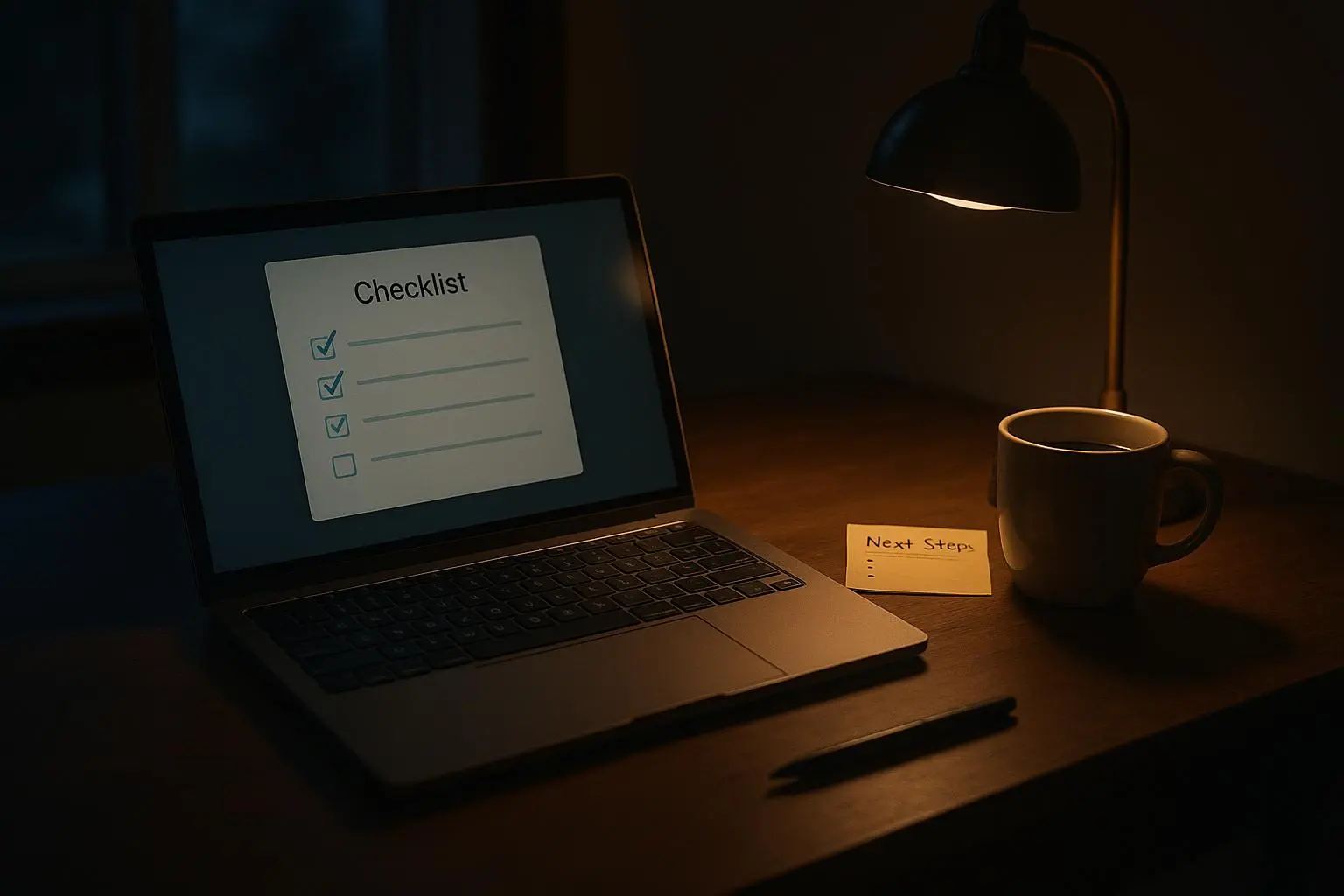
This isn’t about chasing perfection. It’s about collecting data on what reliably moves the needle for you. If something feels forced, drop it. If something clicks, you can weave it into a longer ritual.
A tiny nugget I learned from real testers: the most consistent rituals were not the fancy ones. They were the simplest—clear desk, a specific breath pattern, and a bounded start. Complexity is a magnet for procrastination. Simplicity is its antidote.
And here’s a micro-moment that stuck with me during a two-week test: on day three, I forgot to light the candle. I finished the session and realized I’d missed the boundary cue. The work was fine, but I felt a tiny cognitive drag the next morning. The candle wasn’t the magic—it was the boundary it created. That small difference reminded me why the ritual matters beyond the first spark.
A real story from my own experiments
A couple of years back, I was juggling three writing projects with tight deadlines. I built a minimal ritual stack: desk reset, a 3-breath grounding, and a time-box commitment. I started every session by clearing the desk for 30 seconds, then taking three breaths, then telling myself, “25 minutes. No checking emails, no scrolling.” The effect wasn’t dramatic in week one, but by week two I noticed something: I began writing sentences faster, not just drafting.
One morning I sent a 1,200-word first draft in under an hour that I’d previously stalled on for days. The flow felt clean, natural, and not forced. It wasn’t magic—it was a pattern my brain could reliably recognize. That small win turned into momentum across the project. And the best part? It felt repeatable. Not a one-off victory, but a process you could lean on during crunch times.
If you want a concrete, humane cue, try this: start with 30 seconds of desk clearing, then three calm breaths, then a strict 25-minute time box. The clock is your ally, not your antagonist. You’ll probably be surprised how quickly momentum compounds when your brain stops fighting the starting line.
The science whisper behind the rituals
You don’t need a lab to feel the benefits. The science is pretty clear, and you don’t have to swallow a jargon-heavy theory to buy in:
- Flow is a state of deep, elevated focus where time distorts and performance peaks. Csikszentmihalyi’s classic work is the north star here, showing how immersion correlates with high-skill, high-challenge tasks.
- Habits form through cues, routines, and rewards. The more consistent the cue, the faster your brain loads the routine when the cue appears. This is the habit loop in action.
- Multisensory cues tend to be more robust anchors. Engaging sight, sound, and touch creates a richer neural cue that your brain recognizes as “the moment to focus.”
If you want to dig deeper, I’ve included a few sources in the references at the end. No need to memorize a dozen studies. Take what applies to you and start there.
Two weeks from now: what you’ll notice
- Shorter friction at the start: your first 5–10 minutes feel more intentional rather than reactive.
- Longer stretches of sustained attention: you’re less likely to drift, or if you drift, you catch yourself quickly.
- A sense of momentum: the work starts to feel less like grinding and more like following a well-lit trail.
- Personal customization: you’ll find your preferred blend of cues—some people lean on scent; others rely on a strict time-box and a single-file opening. Your job is to discover your own personal trigger set.
If you’re conventional, you might end up with a small, reliable three-ritual stack: desk reset, 3-breath grounding, and time-box commitment. If you love variety, mix in lighting changes or a quick movement sequence. The point is consistency enough to become automatic.
Where to start today (a quick-start plan)
- Pick one physical ritual: desk reset or analog task transfer.
- Pick one sensory ritual: a flow playlist (or a fixed ambient sound) and a scent anchor if you like scents.
- Pick one mental ritual: a brief 3-breath grounding, plus a time-box commitment of 25 minutes.
- Create a 15–30 minute starter stack and commit to it for the next 14 days.
- At the end of two weeks, record your results and adjust. If something didn’t land, drop it. If something did, lean in.
This isn’t about achieving perfect flow every day. It’s about building a dependable ignition for your creative engine.
The notes I leaned on (and a few practical references)
The practices here draw from a mix of ritual design, habit formation, and productivity research. They’re not about copying someone else’s routine; they’re about giving you tools to tune your own mental switches.
- The power of habit loops (Cue, Routine, Reward) as described by Charles Duhigg.
- Csikszentmihalyi’s flow principles for immersive work.
- James Clear’s work on environmental design shaping behavior.
- Practical experiments from creators across productivity communities who shared what actually helps them start.