Troubleshoot Meal Plans: Common Diet Mistakes That Stall Your Dog's Weight Loss
Mar 7, 2026 • 9 min
If you’ve been staring at a stubbornly still dog on a weight loss journey, you’re not alone. I’ve been there, tripping over the same tiny things that quietly derail progress. The real culprit rarely looks dramatic—more like little habits that add up to a plateau. This guide isn’t about a magic formula. It’s about spotting the quiet offenders in your kitchen and correcting them with precision, so your dog can move toward a healthier weight without constant calorie guessing.
Early on, I learned a hard truth: weight loss in dogs isn’t a mystery you solve with a new bag of kibble. It’s a system you run every day. And yes, it’s okay to feel overwhelmed at first. The trick is to start small, measure honestly, and keep your eye on the big picture: a happier, more mobile dog who enjoys life.
A quick memory that still sticks with me is from a few years ago. I swapped from “just eyeballing” portions to weighing everything. The first week with a digital scale felt ridiculous—like I’d suddenly become obsessed with grams. Then I noticed a simple truth: a single extra spoon of kibble here, a tiny cheese crumb there, and suddenly my dog had only burned a few extra calories all week. It wasn’t dramatic. It was maddeningly precise. And it woke me up to the power of measurement.
Now, let me tell you a small, almost throwaway moment that stuck with me. We were packing food for a weekend trip, and I realized I’d been calculating calories in my head rather than trusting a scale. The scale didn’t judge. It gave me a clean number. In that tiny kitchen moment, I decided to commit to trusting measurements over gut feelings. It wasn’t glamorous, but it worked.
If you’re skimming, here’s the core idea in three lines: calorie creep is real, portion sizes lie, and treats count more than you think. The good news is you can fix all of it with simple tools and routines that fit into real life, not some lab experiment.
How I actually made this work
When I work with clients or manage my own dog’s plan, I start with three nonnegotiables: accurate measurement, a predictable feeding schedule, and honest accounting of every calorie that enters the system. Those aren’t flashy, but they’re the foundation. From there, we can tune the plan without fear of underfeeding or overfeeding.
Here’s how to translate that into real steps you can take this week.
Mistake 1: The Calorie Creep – Underestimating Hidden Calories
One of the sneakiest culprits is the little extras that sneak into daily intake. It’s easy to dismiss a dental chew as a “tiny treat” or to justify a little cheese in training because it’s “practical.” The problem? Those tiny calories add up, day after day, week after week.
What I’ve seen in practice is a strict treat budget—no guesswork. Treats should cap at about 10% of total daily calories. If you’re not sure, start by setting a hard daily limit and track every morsel.
The fix:
- Create a daily treat budget and log every item, even those claimed as “healthy.”
- Swap high-calorie add-ons for low-calorie options like plain air-popped popcorn, green beans, or certified low-calorie dental chews.
- If you train with treats, break them into consistent, measured pieces and reuse the same handful of pieces for the entire day.
Micro-moment aside: I once caught myself counting a bite of carrot as a “free” crunch during training. Then I realized I’d been feeding a handful of tiny snacks all day, thinking I was being disciplined—until I weighed the total. The scale doesn’t lie.
What this looked like in practice: a client noticed their dog’s weight hovering for weeks. We subdivided every treat to a 5-calorie cap, switched to low-calorie options, and by week four the dog dropped 0.9 pounds. It wasn’t dramatic, but it was progress.
Mistake 2: Inconsistent Portioning and Measuring Errors
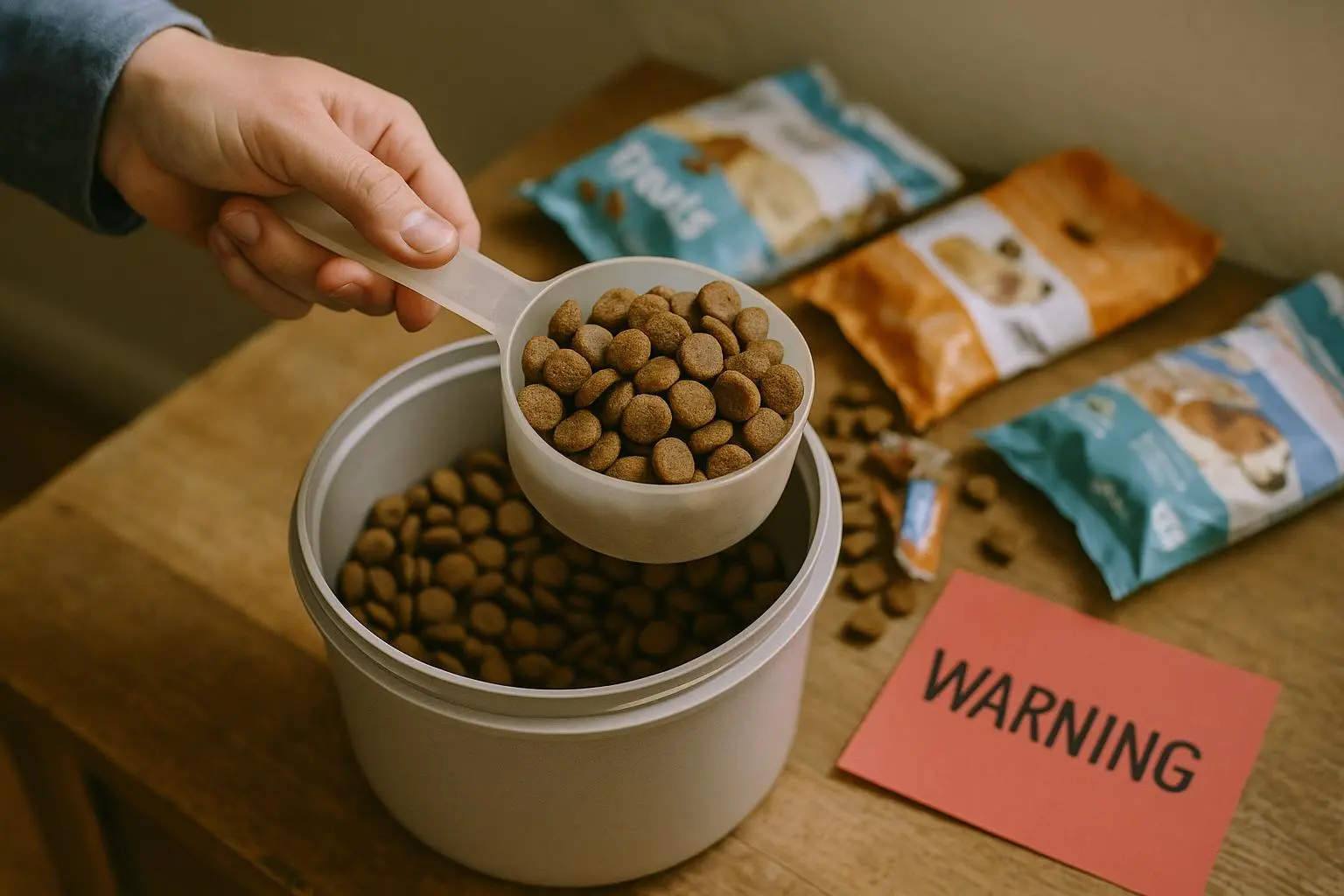
“How much is one cup?” is a fair question, and the answer is usually “not enough to be trusted.” Standard cups don’t account for kibble density, settling, or the size of the scoop you’re using. If you’re guessing, you’re guessing on the wrong thing—calorie intake.
What to do:
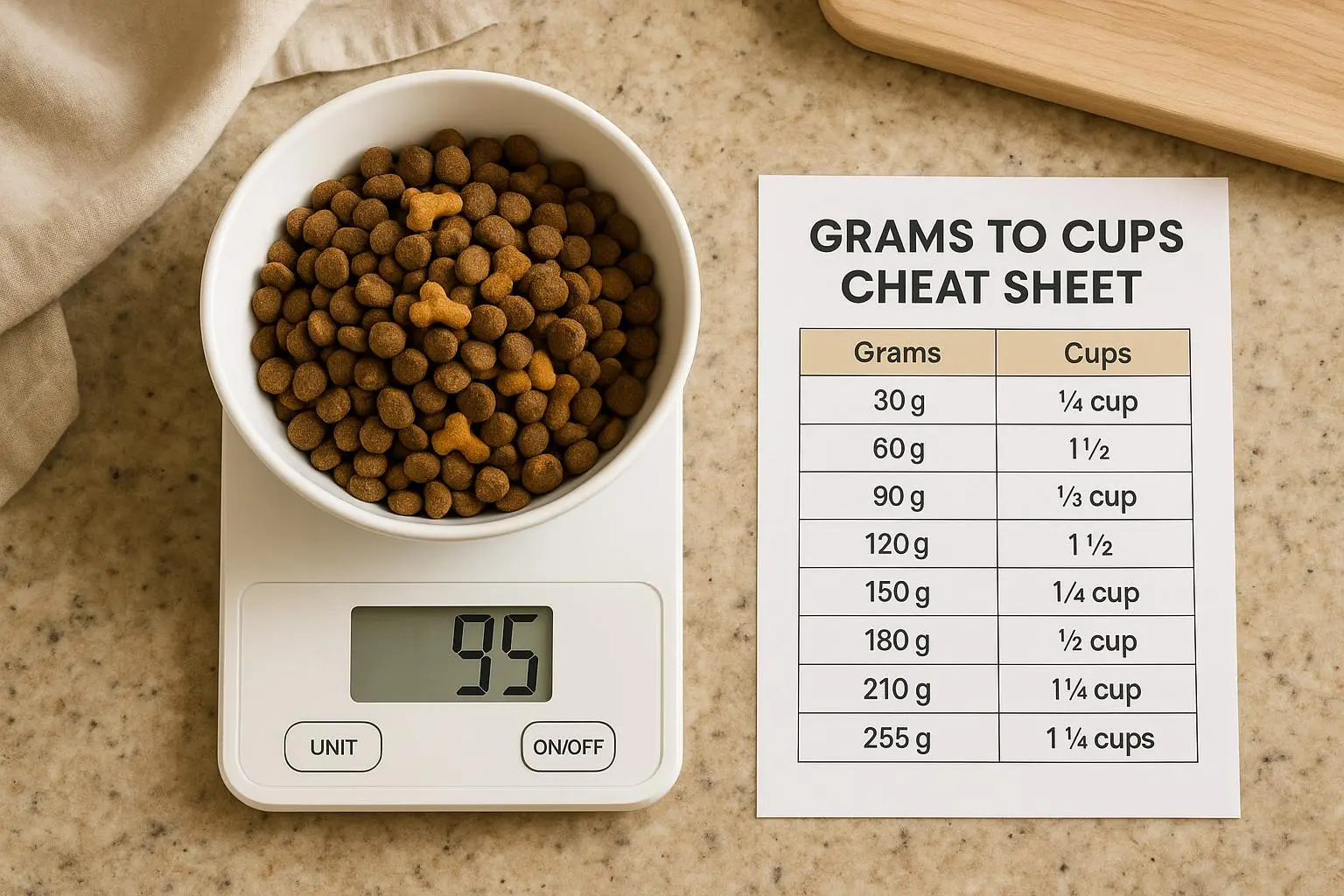
- Use a digital kitchen scale to weigh each portion. It removes the variability of “one scoop” or “this much looks like 1 cup.”
- Always weigh the dry food before you add any toppers or supplements.
- Create a simple chart that shows the calorie target per meal and the grams needed to hit that target.
A study note for context: owners who used scales were more accurate in the long run, and accuracy correlated with better weight loss outcomes in dogs over time. It’s not glamorous, but it is the difference between “plateau” and “progress.”
Mistake 3: The 'Free Feeding' Trap
Leaving food out all day is convenient. It’s also a recipe for inconsistent energy intake and endless grazing. The body’s appetite signals get confused, and you end up chasing appetite instead of understanding it.
What helped a lot of families I’ve worked with was a clean shift to scheduled meals—two to three meals per day. If a meal sits untouched after 15-20 minutes, you pick it up. You’re not cruel; you’re creating a predictable window for appetite management and energy balance.
Real-world impact: a family with a Beagle swapped to two meals daily. Within two weeks, the Beagle stopped begging mid-afternoon, and the owner could see a clear drop in calories consumed. The dog also started to look forward to meals, not just survive on whatever happened to be left out.
Mistake 4: Ignoring Caloric Density of 'Healthy' Foods
Sometimes owners switch to premium or prescription options assuming they’re automatically lower in calories. That’s not guaranteed. Even lean proteins and “better” foods can stack up if you overeat portion size or misread density.
The practical fixes:
- If you’re using a prescription diet, follow the vet’s feeding guidelines based on target weight, not current weight.
- If you’re cooking, balance the diet with the help of a veterinary nutritionist to ensure energy density aligns with weight goals. Simple tips like trimming fat and choosing lower-calorie vegetables can help—but you still must calculate calories.
- Be mindful of additions like cheese or high-fat toppers, even if they seem small.
Mistake 5: Inconsistent Exercise or Miscalculating Energy Burn
Diet accounts for a big chunk, but exercise matters just as much. A dog can stay in neutral if activity levels tank on weekdays. I’ve seen owners hammer out a big exercise plan on weekends and then slack off the rest of the week. The net deficit disappears.
What to do:
- Create a consistent, measurable exercise routine that the whole household sticks to.
- Use a simple tracker to estimate daily energy expenditure. It doesn’t have to be fancy—a notebook or a basic app will do.
- Reassess weekly with your vet as your dog loses weight to ensure energy needs stay aligned with the target weight.
Case in point: one family started with a 30-minute daily walk, then included a short 10-minute play session after work. A gradual uptick in daily activity plus precise portioning finally moved the scale after a month.
The big picture: why precision beats intensity
I’m not saying you need to become a robot in the kitchen. You just need a reliable system you can repeat. Precision is the quiet enabler of progress: accurate portions, predictable meal timing, honest treat accounting, and steady activity.
But you don’t have to do everything at once. Pick one lever to pull this week. If you’re staring at a stubborn plateau, start with the treat budget and a kitchen scale. Then add scheduled meals. Then, as you gain confidence, tighten the numbers on calorie targets and density.
Here are two quick swaps that usually yield visible results within a month:
- Swap out high-calorie toppers for low-calorie alternatives and log every item.
- Introduce a strict two-meal-per-day schedule and set a timer for mealtime. Track how quickly the dog finishes meals and how appetite changes over time.
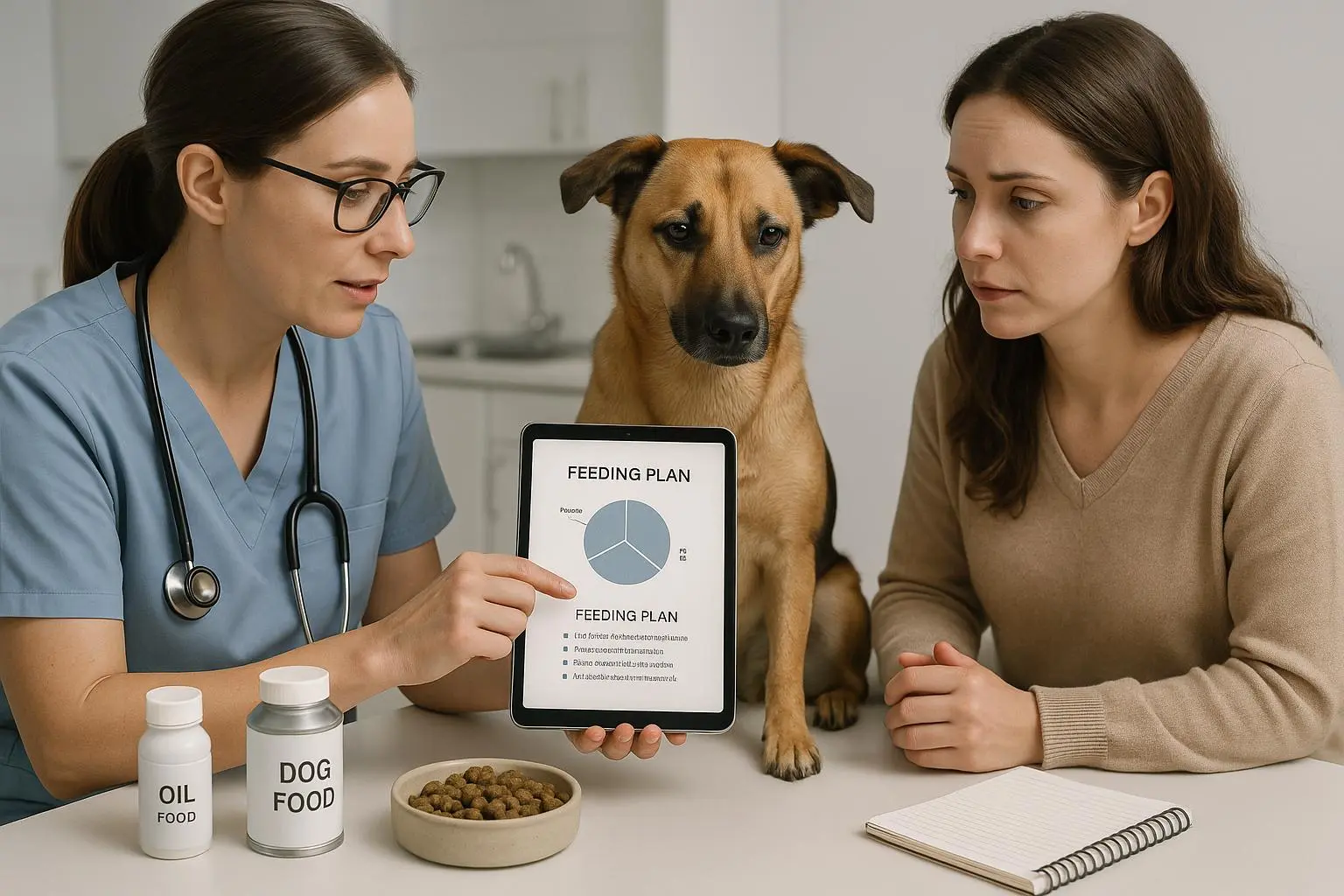
If you’ve got a dog who’s persistently plateauing, a chat with your vet about a calorie target and a realistic weekly plan can be game-changing. Weight management should feel methodical, not a mystery you chase every week.
A practical, humane plan you can start today
- Get a digital kitchen scale (grams matter). Start by weighing today’s kibble and calculate calories per gram for your brand. Use that as your baseline.
- Set a daily treat budget equal to 5-10% of total calories. Choose two or three low-calorie treats for the day and stick to them.
- Move to two meals per day. If you must, add a light third meal in the afternoon, but only if you’re sure it won’t push total intake over the target.
- Schedule a 20-30 minute daily walk or activity block that’s consistent for the entire family.
- Track everything for 4 weeks. If the scale moves, keep following the plan and adjust as advised by your vet.
And a quick note I’ve learned over many cases: small, repeatable changes compound. It’s boring, yes, but boring is where progress hides its best yields. The goal is a sustainable routine your dog can live with, not a temporary sprint that leaves you right back where you started.
Practical tools and references worth knowing
- Digital kitchen scale (grams, 1g accuracy is ideal)
- A simple spreadsheet or note app to track meals, kcal, and treats
- A few pre-measured treat options (low-calorie)
- A reliable feeding schedule you can keep across weekends and holidays
If you want more guidance, your veterinarian is the best source for a tailored plan. But you can start today with the steps above. The most important thing is to begin, measure, and adjust.