Troubleshooting Pet-Proofing: Fix Common Oversights
Feb 5, 2026 • 9 min
If you think pet-proofing stops at hinges and cabinet latches, you’re missing half the battle. The real weak spot is the exterior perimeter—the invisible boundary that keeps your pets in and wildlife out. Raccoons, bats, squirrels, and skunks don’t need much to get inside, and once they’re in, the health risks and property damage pile up fast. I learned this the hard way when a routine attic inspection turned into a full-blown exclusion project. And yes, I’ve got the receipts to prove it.
Here’s the bottom line I learned from years of watching homeowners and contractors fumble the same spots: you don’t fix a single hole and call it done. You fix the perimeter, end-to-end, and you treat prevention as ongoing work, not a one-off weekend project.
But first, a quick moment I carry with me. I was tracing a sagging fascia board on a windy afternoon when I realized the real problem wasn’t a single gap—it was a pattern. Five little openings, all within a few feet of each other, each easy to overlook. That tiny cluster told me that the perimeter of a home is a system, not a checklist item. And if you ignore the system, the outcomes compound over time.
A quick aside that sticks with me: in the months after we started sealing, I’d walk the yard with a cup of coffee in hand and notice something odd—birds wouldn’t perch near the old, loose vents anymore. The perimeter changes aren’t dramatic; they’re quiet, gradually reducing attractants and access points.
Let’s talk through the most common oversights and the fast, practical fixes that actually stick.
The perimeter problem: why the obvious fixes don’t always hold
When people talk pet-proofing, they often start indoors. They cage away cabinets, tuck cords behind furniture, and hope that plugs, locks, and buffers will keep troubles out. But wildlife looks for tiny, overlooked opportunities. And because many of these entry points live up high or behind the scenes, they’re easy to miss until something goes wrong.
Think of it like this: if your home perimeter is a moat, the goal is a consistent, drivable shield—not a patchy fence with a few gaps.
1) Attic and roof gaps: the half-inch problem
Bats and squirrels don’t need a grand doorway. They’ll slip through a half-inch gap around vent flashing, a loosened fascia board, or a mis-sealed utility entry. Raccoons are tougher, but they’ll exploit any weak spot they can leverage with their sharp claws and strong noses.
I saw this firsthand after a repair job on a neighbor’s roof. A contractor installed a new vent but didn’t seal the flashing properly. The attic stayed dry during rain, sure, but a tiny quarter-inch gap let a family of squirrels practice their gymnastics up there. It wasn’t the dramatic entry you see in a movie; it was a patient, stubborn seep of access. That gap turned into months of frustration and then a proper exclusion job once we stopped pretending it was a “one-and-done” fix. This kind of issue is exactly why I err on the side of over-sealing, especially around vents, chimneys, and roof penetrations.
Remediation: Use 1/4 inch hardware cloth to cover vents and chimney openings. Seal gaps around utility lines with expanding foam for small spaces and with metal flashing for larger ones. For bigger holes, patch with sheet metal or a concrete product designed for exterior repairs. Don’t rely on paintable caulk for structural gaps.
2) Loose screens and foundation cracks: why tiny tears matter
Window screens are easy to overlook. A torn screen at a ground-floor window feels, to the homeowner, like a minor nuisance. To a raccoon or opossum, it’s an invitation. Likewise, foundation cracks that look cosmetic can become a comfortable nook for rodents, a shelter for snakes, or an access point for everything from beetles to skunks.
Remediation: Replace damaged screens with heavier mesh (at least 18x18). For foundation cracks, seal with a high-quality exterior crack sealant, then back it with a low-expansion foam if needed. If the cracks are larger than a quarter inch, consider a professional evaluation to rule out structural compromise.
3) Unsecured trash and food sources: feeding the problem
I’ll be blunt: the best way to get wildlife to stay is to tell them you’re a buffet. Unsecured garbage, pet food left out at night, even compost piles with exposed scraps all become magnets. The moment wildlife learns your yard is easier to feed than scavenging elsewhere, you’re playing catch-up forever.
Stories from neighbors and readers hammer this home. One city gardener switched to heavy-duty, locking trash cans after a raccoon tore through three standard lids in a month. The cost was real, but so was the relief—constant cleanup and worry about rabies exposure finally receded. The math isn’t perfect, but prevention far beats the recurring cleanups.
Remediation: Invest in heavy, locking trash receptacles. Bring pet food indoors after feeding. Clean up fallen fruit promptly and secure compost piles with wire mesh. If you have bird feeders, move them away from the house or switch to a squirrel-proof feeder design to limit attractants near your living space.
Immediate actions you can take today
If you suspect activity or you’re preparing for seasonal wildlife movements, here are steps that won’t require a full-blown project, but will make a meaningful dent in risk.
- Map your vulnerable points: Walk around your house at dusk and dawn. Note any gaps around vents, plumbing stacks, and cables. Mark them with painter’s tape so you can see them up close during daylight.
- Start with the biggest payoff: seal attic and roof gaps first. If you’re unsure, hire a wildlife exclusion specialist for an exterior-only assessment.
- Don’t seal a live animal inside. If you suspect an active infestation, observe from a distance and plan a one-way exclusion approach. A one-way door lets the animal exit but not re-enter, reducing the risk of trapping and injury.
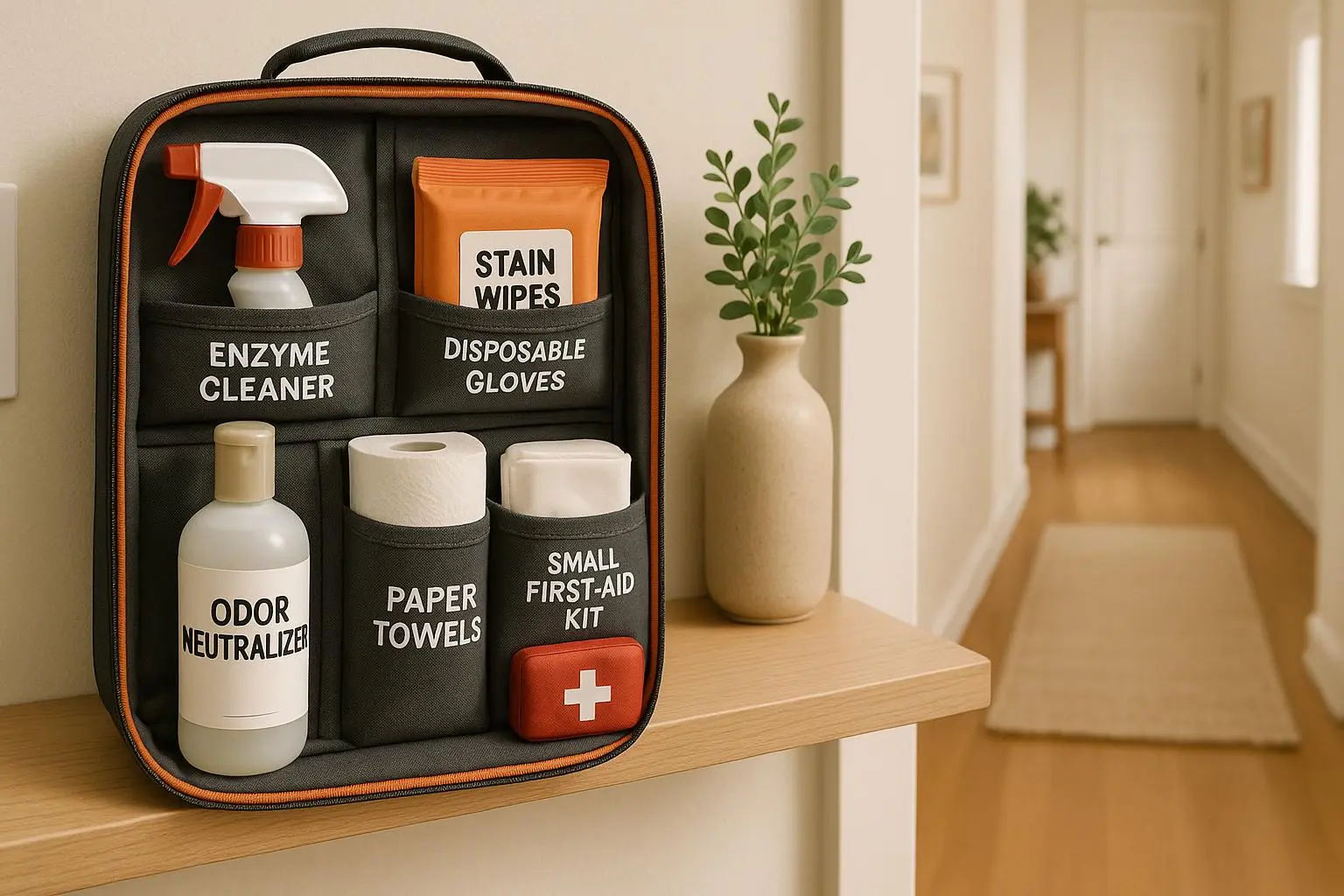
- Clean up and sanitize after any exposure. Animal feces can carry pathogens. Wear N95, gloves, and use enzymatic cleaners designed for wildlife waste. This isn’t optional if you’ve got a basement or attic with visible droppings[1].
A key takeaway: the perimeter is a system. Individual fixes matter, but the order and coordination of fixes matter more. You’re building a perimeter defense that holds even when wildlife tests it at the edges.
When to call in pros—and what to ask
DIY is appealing, especially when you’re trying to save pennies. But some scenarios demand a professional touch.
- Large infestations in hard-to-reach areas (chimneys, deep inside walls, roof voids).
- Recurrent intrusions after your initial sealing work.
- Wildlife with aggressive behavior or potential health risks (rabies exposure, bat guano hazards).
If you do hire, approach it like a project, not a single repair. Ask for a written plan that outlines:
- The specific entry points to be sealed and the materials chosen (mesh gauge, sealants, flashing).
- The time frame for the work and any required access (especially if you’ve got kids or pets).
- A post-work inspection plan to verify all gaps are sealed and the perimeter remains intact after weather events.
And if you’re budget-conscious like I am, ask for a phased plan. You can start with the highest-risk points and schedule follow-ups for other areas. The goal is progress, not perfection in one go.
Documentation: why it matters for insurance and health
Wildlife damage isn’t just a home-maintenance headache. It can trigger insurance, liability, and health concerns. Keeping a robust paper trail helps when you need to claim, prove due diligence, or respond to questions from your insurer.
What to document
- Photographic evidence: capture the entry points, the damage (chewed insulation, wire damage), and any signs of animal presence (scat, tracks). Use timestamps when possible.
- Timeline log: write down when you noticed issues, when you attempted fixes, and when professionals were brought in. Save every invoice and receipt.
- Health measures: if a pet is exposed or injured, log the details with your vet and local animal control. Include dates and locations, plus any treatment or vaccines given.
- Insurance communications: keep copies of claims, denials, and correspondences. If you’re dealing with coverage questions, that documentation makes a real difference.
The basic rule I follow: document early, document often. It saves you headaches later, especially if something escalates and you need to show a pattern of proactive maintenance.
A few real-world notes from the field
- A homeowner I know was nearly denied a claim on attic insulation damage because the initial photos were dated only after the issue was found. Had they documented earlier, the claim would have been stronger. The lesson: timestamp and store photos in a cloud drive or home management app for easy access[2].
- Another reader used a portable time-stamped camera to capture a nighttime entry, creating a clear before/after that helped with the insurance review process. Small tools, big payoff.
Do this, not that: quick decision guide
- Do seal: Attic and roof gaps, vent openings, and utility penetrations with the right materials.
- Don’t seal without verification: Don’t close up a hole if you suspect an animal is inside. Use a one-way exit first, then seal after the animal is out.
- Do secure: Trash cans, compost, and outdoor pet feeding routines to remove attractants from your yard.
- Don’t forget foundations: Cracks and gaps around the foundation aren’t cosmetic in wildlife terms. Seal them properly, then reinforce if needed.
- Do plan for maintenance: Perimeter work should be revisited seasonally. A quick visual check after storms can save you from a bigger problem later.
Real-world wins and lessons learned
I’ve been through this twice in a single neighborhood: a mid-Atlantic town where the wind can whip up the loose fascia and rattling vents like a tambourine. The first time, I treated it as a “one weekend” project. I ended up paying twice because I didn’t address the smaller gaps that were just as critical as the big holes. The second time, I brought in a pro for the exterior assessment, did the high-risk work first, and then gradually closed the rest of the perimeter over two seasons. It wasn’t sexy, and it wasn’t instant, but the cumulative drop in wildlife activity felt tangible. The attic stayed dry during a late-fall storm, the yard stopped attracting raccoons after dusk, and I slept a little easier knowing we’d reduced exposure risk for our dog and cat.
Here’s a micro-moment I keep on my desk: a little ball of hardware cloth sits by the door as a reminder that the smallest mesh can block the biggest threat. It’s not glamorous, but it’s a daily nudge that prevention is continuous, not dramatic.
The long view: turning a checklist into a habit
Pet-proofing is not a “set it and forget it” task. It’s a habit. The most durable solutions come from a few core practices:
- Treat the exterior as a living part of your home’s safety plan.
- Schedule a perimeter audit at least once per year, plus after major weather events.
- Keep tools and materials accessible so you can act quickly when something changes (new gaps, new damage, new wildlife pressure).
- Build a simple documentation routine that lives in a home-management system or a dedicated folder in the cloud.
If you stay vigilant, the perimeters don’t just stay intact—they start to work for you. You’ll notice fewer animal sightings around the yard, cleaner insulation, and less stress about what might be lurking behind the walls when you’re not looking.
How this ties to insurance and health
Wildlife incursions can trigger insurance questions and risk disclosures. You’re not trying to squeeze a claim out of a bad situation; you’re building a defense that makes your property safer, more predictable, and easier to manage if something goes wrong. The better your documentation and the more complete your perimeter, the smoother a claim or a check with your insurer will be. The goal isn’t to earn sympathy from an insurer; it’s to demonstrate a reasonable, responsible approach to home maintenance and health safety.
There is a direct link between a well-executed perimeter and fewer health concerns for your family. Bat guano, raccoon scat, and other wildlife waste carry risks, from Histoplasma to Baylisascaris. Cleaning up requires proper gear and careful cleaning routines to avoid exposure. If you’re dealing with contaminated areas, you’ll want professional guidance, especially if large areas inside walls or ceilings are involved.
What I would do differently next time
If I could go back, I’d start with a perimeter plan that assigned milestone goals—every quarter, a new set of gaps gets sealed and a set of signs is installed to remind me to check them. I’d also stack tools in a dedicated kit: heavy-duty mesh, flashing, a high-quality exterior sealant, and a one-way door kit. And I’d prioritize documentary habits from day one: timestamped photos, a shared folder for invoices, and a simple checklist that I could bring to a contractor to avoid back-and-forth on scope.
The upside? You’ll save time, energy, and anxiety in the long run. You’ll also avoid the recurring costs of chasing wildlife dramas—traps, repairs, and emergency vet bills—by making proactive, exterior-focused improvements that actually last.
Where to start today (a practical starter kit)
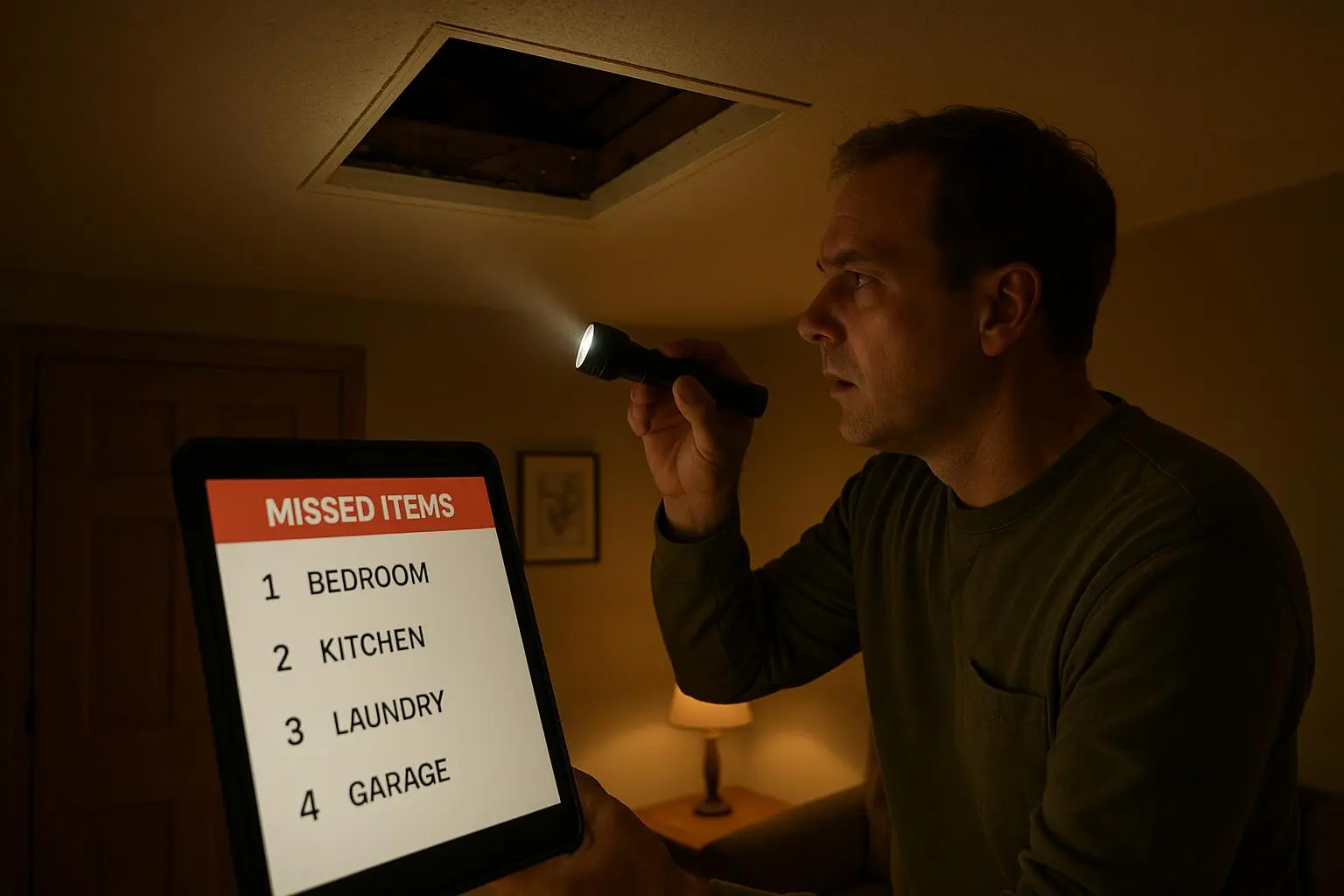
- Do a 15-minute perimeter walk around your home with a flashlight at dusk. Look for loose vent coverings, gaps in fascia boards, or any place where water sits because of imperfect drainage.
- Pick one high-impact fix to tackle within the week (for many, it’s attic vent sealing).
- Buy a roll of 1/4 inch hardware cloth and a tube of exterior-grade sealant. Keep them in a waterproof toolbox near your garage.
- Order a one-way exclusion door kit for any suspected entry points you’re not ready to seal yet.
- Set a reminder to photograph and log improvements. Keep the photos dated and labeled by location.
If you’re ready to lean into this, you’re doing more than protecting your property. You’re creating a safer environment for your pets and your family.
References
Footnotes
-
NPMA. (2024). Best Practices for Wildlife Feces Cleanup and Zoonotic Disease Mitigation. Retrieved from https://www.npma.org/wildlife-cleanup-guidance ↩
-
Centers for Disease Control and Prevention (CDC). (2022). Raccoon Rabies and Public Health Guidance. Retrieved from https://www.cdc.gov/rabies/raccoons/index.html ↩